Special List #22: Failing is Growing with Dr. Gregg Kinzer


Owning the hardware is not the same as knowing what to do with it. Gregg Kinzer has spent 30 years teaching dentists to think their way through complex cases, and he argues the profession is drifting toward letting the computer do the thinking instead.
Gregg is a Seattle prosthodontist, Faculty Chairman at Spear Education, and one of dentistry's most respected educators. He joins Cameron Full and Dr. Michael Seda for a wide conversation about where dental education is headed, what it actually means to practice digitally, and why failure is the part of the job nobody prepares you for.
On education, Gregg draws a hard line between teaching and entertaining. A lot of what passes for CE now is show-and-tell, impressive cases a dentist will never replicate in their own operatory. Real learning, he says, happens in small rooms where people get pushed, and in actually reading the literature instead of skimming the conclusions.
On technology, he makes the case that a scanner alone doesn't make a practice digital. The real work starts with how you use the data after the scan. He's optimistic about where AI could take treatment planning and clear-eyed about how a bad prompt, or a brand-new material with no long-term studies behind it, can cost you years and real money.
On failure, Gregg gets honest about perfectionism. He thinks a profession full of high achievers talked itself into believing every restoration should last forever, and that the harshest environment in the human body guarantees otherwise. The real fix is telling patients the risks before treatment, not explaining them after something breaks.
And on the cost of ambition, he doesn't pretend he has it solved. Everything costs something, and every yes is a no somewhere else. The line that stays with you is the question his nine-year-old asked him years ago, the one he still hasn't shaken.
Guest
Dr. Gregg Kinzer is a prosthodontist in Seattle, where he runs a private practice limited to comprehensive restorative and esthetic dentistry alongside his wife, Dr. Jill Kinzer. He serves as Faculty Chairman and Director of Curriculum and Campus Education at Spear Education in Scottsdale, Arizona, and as an Affiliate Assistant Professor in Graduate Prosthodontics at the University of Washington School of Dentistry, where he earned his DDS in 1995 and his prosthodontics certificate and MSD in 1998.
He is the sitting President of the American Academy of Esthetic Dentistry and a recipient of the Seattle Study Club's Saul Schluger Memorial Award for clinical excellence in diagnosis and treatment planning. With Dr. Jeff Rouse, he co-developed the Seattle Protocol for diagnosing and treating airway issues, and he is co-authoring the forthcoming Global Diagnosis II with Dr. Bill Robbins and Dr. Jeff Rouse. He also holds an adjunct faculty appointment at the Arizona School of Dentistry and Oral Health.
Learn more about Dr. Kinzer at Spear Education: speareducation.com/faculty/bio/greggory-kinzer
Questions answered by this episode:
- Is buying an intraoral scanner enough to make my practice digital?
- What does it actually mean to run a digital dental practice?
- Is digital dentistry making clinicians less skilled?
- How do I choose continuing education that teaches me to think, not just copy techniques?
- Why is so much dental CE on YouTube and Instagram unreliable?
- How do I learn to read dental literature instead of just the conclusions?
- Can AI help with dental treatment planning, and what are the risks?
- Why shouldn't I use a brand-new dental material right when it launches?
- Why do dentists blame themselves when a restoration or crown fails?
- How do I talk to patients about the risk of treatment failure before it happens?
About The Special Lists
The Special Lists, presented by Referral Lab, is the podcast for dentists and dental specialists. Running a dental practice isn't easy, and if you're in private practice, it can sometimes feel like you're on an island. That's why finding your people—those who've been in your shoes and can share real, lived experience—changes the game.
Referral Lab was built specifically for dental specialists, helping you track, manage, and convert every referral. It's about improving case acceptance, boosting team performance, and strengthening relationships with referring providers so your whole practice runs smarter.
This spirit of connection fuels The Special Lists podcast. Hosted by the team behind Referral Lab, we bring you wisdom from practice owners and dental professionals, sharing the wins, mistakes, and lessons that shape how they run their businesses today.
Got a question for us? Send us a message at speciallists.com (with two L's)
Transform your referral workflow with Referral Lab, the purpose-built platform for dental specialists to track, manage and convert every referral. Request a demo at referrallab.io
Hosts
Cameron Full
Co-Founder of Referral Lab
Cameron Full, co-founder of Referral Lab, is a strategic problem-solver with expertise in business management and digital solutions. He combines leadership, creativity, and technology to drive success across various industries.
Connect with Cameron on LinkedIn
Jason Souyias, DDS
Periodontist and Co-Founder of Referral Lab
Dr. Jason Souyias is a periodontist, educator, and co-founder of Referral Lab software. He teaches dentists and hygienists, including as a Pikos Institute faculty member. In his Port Huron private practice, he's known for excellent patient communication and experience. He's passionate about his work and dedicated to helping other dentists.
More about Port Huron, Michigan periodontist Dr. Jason Souyias
Michael Seda, DMD, MS
Periodontist and Co-Developer of Referral Lab
A clinician and entrepreneur, Dr. Seda brings 19 years of private practice experience to his periodontal and implant surgery practice in the San Francisco Bay Area. Dr. Seda's education spans several disciplines, including a degree in Psychobiology from the University of California, Los Angeles, a Doctorate degree from Harvard University (DMD), and a Master's degree in Periodontics and Oral Medicine from Columbia University.
More about Bay Area periodontist Dr. Michael Seda
Follow Dr. Seda on Instagram @sedaperio
Co-hosts: Cameron Full, Jason Souyias, DDS & Michael Seda, DDS
Producer: Eva Sheie @ The Axis
Assistant Producer: Mary Ellen Clarkson
Engineering: Victoria Cheng
Theme music: Papa Funk, spring gang
Cover Art: Dan Childs
The Special Lists is a production of The Axis.
Dr. Kinzer (00:00):
People go, how do you do it? Wow, you do all this and you have family of six and a lovely wife and how do you do it all? And I go, not well.
Dr. Souyias (00:10):
Thanks for listening to The Special Lists presented by Referral Lab, the podcast for dentists and dental specialists.
Dr. Seda (00:18):
And welcome back everyone for this next iteration of our podcast, The Special List joining me today, the one and only Cameron Full.
Cameron Full (00:30):
The one and only.
Dr. Seda (00:32):
And our guest today, shout out to our buddy, Dr. Suyas, you couldn't make it today. But our guest today, kind of a hot shot in the world of dentistry, if you will, as I like to refer to him as the Tom Cruise of dentistry. Dr. Gregg Kinzer. Dr. Kinzer, welcome to the show.
Dr. Kinzer (00:53):
Hey guys, thanks for inviting me on. I don't know about that intro, Seda. Not sure I've ever heard that before.
Dr. Seda (01:01):
Yeah. Well, we'll just get further.
Dr. Kinzer (01:04):
Is Tom Cruise a good thing? Is that a good thing?
Dr. Seda (01:05):
... it will become apparent.
Dr. Kinzer (01:06):
It can't be. It can't be a good thing.
Cameron Full (01:08):
Kinzer, do you have a couch to jump on?
Dr. Kinzer (01:11):
Oh, just wait. I'm so pumped.
Cameron Full (01:14):
One second. One second.
Dr. Seda (01:16):
I feel the excitement just exuding out of you here. Dr. Kinzer is a prosthodontist in the Washington State, Seattle area. He's also the director of curriculum and campus education at Spear Education, an affiliate assistant professor in graduate prosthodontics at the University of Washington, an adjunct faculty at the Arizona School of Dentistry and Oral Health. Dr. Kinzer lectures all over the world and I have had the privilege of sitting in on many of his lectures over the years. Some of the most influential dental education I've ever received. And he's a full-time educator at the Spear Education Center in Scottsdale and his wife is a dentist as well, Dr. Jill Kinzer. Shout out to Dr. Jill. And some notable achievements. Past president of the American Academy of Aesthetic Dentistry in 2025, a recipient of the Saul Schluger Memorial Award for Clinical Excellence in Diagnosis and Treatment Planning. And you've got an upcoming textbook, I believe, Dr. Kinzer.
Dr. Kinzer (02:28):
We do. Yeah. Yeah. As if there's not enough stuff going on. I thought we'd throw a textbook out.
Dr. Seda (02:34):
Yeah. Global Diagnosis II, and that's being written with doctors Bill Robbins and Dr. Jeff Rouse. So anyway, welcome.
Dr. Kinzer (02:42):
Shout out Jeff. Shout out, Jeff.
Dr. Seda (02:43):
Yeah. Dr. Gregg, before we start, anything you want to say, just kind of introduce yourself to our listeners and-
Dr. Kinzer (02:49):
No, I'm coming to you guys from Seattle right now. We're just almost getting into the go time for Seattle. We get nine months of crap and we're getting into the three months where it's actually nice.
Dr. Seda (03:01):
Yeah.
Dr. Kinzer (03:02):
So cherish every moment that I can be home, which doesn't seem lately to be as much as I would've hoped. But otherwise, full-time practice here in Seattle with my wife and then commute down to Arizona quite a bit for courses at Spear.
Dr. Seda (03:15):
Great. All right. Well, as you know, this show is The Special lLst and you've been kind enough to kind of provide us with one. So we'll just start from the top. There's about three or four items on your list. Let's start with the future of dental education.
Dr. Kinzer (03:33):
Yeah. I think dental education, I mean, it's a must for us, right? You don't learn nearly enough in dental school, you continually need to update yourself. And the world of dentistry is constantly evolving with technology, the digital side, and then just a different way to think with bringing in things like airway health on the treatment planning side. So I think it's important for all of us in dentistry to continually update ourselves. I mean, I give a lot of dental education, but I also receive a lot. I go to meetings all over the place from a bunch of different people. So I enjoy it. To me, I think it's energizing to learn something different, to be open to learning something different as opposed to closed off in your world and doing things the same way you did 10 years ago. So I think that the way dental education is moving though, it's a little scary at times.
(04:29):
There's the whole YouTube Instagram education platform, which I'm sure that there's some good things on there, but there's also a lot of crap on there as well. And it's nice to see techniques and things, but in order to learn something, you need to understand the concepts and you need to have it backed with experience and backed with literature. So I think that there are still places where dental education is a fit for everybody, not just YouTube education.
Cameron Full (04:59):
Sure. Gregg, how long have you been, air quotes, educating in the space?
Dr. Kinzer (05:06):
30 years.
Dr. Seda (05:09):
Started when you was three.
Dr. Kinzer (05:12):
So as a grad student, one of our courses is putting together a presentation and you do it for the grade that's your whole quarter is just on 45 minute talk. That's it. And so what you would do as a grad student is you would then take that out to the study club circuit and you would get free dinner. So we did it for the food. You weren't getting paid, but you're getting food and you go, "That's a win." I put together two because I didn't have any money. So I needed to eat. So I put together two and if I got into one study club, I could get back into it again with another lecture. So I always enjoyed it, but then I came into practice with Frank Spear in 98 when I finished my program and immediately was thrown into the education ring at a different level.
(06:01):
And it was interesting because at that time he had left Cois and he was starting his own education company. So he wasn't doing a lot of outside private gigs, but people called all the time and so he would give them my name. So he would support me with cases if I didn't have a case, but I started right off the bat. I started doing crazy things that I don't think I should have ever had the ability to do that early in my career, but I had his support and knowledge to be able to bounce off of.
Dr. Seda (06:33):
Yeah. For those of you that have not had the opportunity yet to see one of Dr. Kinzer's lectures, Dr. Gregg brings a very thoughtful approach to the way he educates. And what I mean by that is there's different types of education. Dr. Gregg alluded to it earlier, right? There's procedural, right? Here's a procedure, here's how you do it. You can watch a video and get some information just from a video for example, but digging into decision making and learning from mistakes and the way you do it, it's beautiful. I mean, really, I can't say enough about it. And you're a storyteller is the way I like to look at it. And every time I sit down in one of Dr. Gregg's lectures, there's a story and yes, there are procedures involved and there's patients, but what the big takeaways are from the story that you're telling, and I think we should mention you oftentimes collaborate with other colleagues and you guys seamlessly weave, it's like two or three lectures sometimes weaving one lecture and a story together and one will speak, then the other will speak.
(07:41):
And it's a very, very powerful way to learn a message. Maybe you can just give us a little bit of flavor in terms of like obviously your education messages evolve over time. Where are things with your messaging right now in terms of the types of cases you're presenting and the stories that you're telling?
Dr. Kinzer (08:02):
It changes based on who the audience is. So there are things that I love to talk about, but depending on the audience, they may never see that patient. And then it's just me up there patting myself on the back, look what I can do. And I think that's a lot of what dental education is now is people just show and tell. And that's not really education. It's like entertainment. So I want everybody to be able to take something away and do the things that we do, the interdisciplinary, the thought, whatever it might be, anybody can do it. And you can even show the same types of cases. Just you got to pay the high end lab technicians. So people think it's not ... I don't want ever to seem like I'm doing something that is not attainable by everybody that's in that room.
Cameron Full (08:48):
Awesome.
Dr. Kinzer (08:50):
And I try to make that clear that everybody can do it, but it also takes, you're not going to go out and your first case tomorrow morning is going to be this big case. It takes time to get ... I got to get some reps in, but everybody can do it. So I think that's one of my big take homes is being inspirational and aspirational for people to know that, yeah, I can do this. I can do pieces of it right now and then I'll put more pieces together and pretty soon I'll be able to come full circle.
Cameron Full (09:16):
Is that something that you innately did? I like to think of education and educators as vocational. It's a litle bit of a different calling. Obviously to practice is to know, but to teach is to really know. And they think it's the flip side, right? Those that teach can't do, that's just not the truth in most cases. Well, good teachers, that is, not educators. Sorry, not entertainers rather. But did you do that early? Was that something that you committed to right of the gate? I mean, because you've got a lot of reps at this.
Dr. Kinzer (09:49):
Yeah, it's funny. I had people come up to me and they say, "I saw you when you first joined Frank." And then they go, "I don't want you to take this the wrong way, but you've come a long way." And I said, "I mean, obviously I'm not going to take that the wrong way because it's a craft that you continually get better at the more that you do. " And it's interesting because Seda, you said you tell story, you're a storyteller. I think that's one of the things that I've evolved with over time and I think I picked that up from good speakers are actually good storytellers
(10:29):
Because a story re-engages the audience so they focus again as opposed to, I used to think, "I got so much stuff. I got to tell you, I'm just going to spit out a bunch of knowledge and you're welcome." And what I learned from Frank watching him is that you got to give knowledge, but you got to back up stories to reengage people and then it makes them kind of pinpoint onto what you're saying. So I have worked hard and I have had many reps at it and it's interesting, one of the kids yesterday, they were over for Mother's Day and one of them said, "Hey," because I was working on a lecture and they go, "Hey, do you get nervous doing this? " I said, "It depends." I said, "Yeah, I do. I will still get nervous on big groups where the people in the room are peers or they're mentors of mine, they're the people that I've read their textbooks and articles.
(11:23):
Yeah, I'm going to get a little nervous." And I don't think it's a bad thing. I think you play off of the energy that it creates as long as you know it's going to happen. If you don't know you're going to get nervous and you're going to just freak the shit out, it's going to go bad for you. But if you anticipate it and you can use the energy for a good thing, then I think that makes a lot of sense.
Cameron Full (11:46):
So where's education going, Gregg?
Dr. Kinzer (11:49):
I think people, this is my bias, I think people believe that digital is the end all, be all. And if I buy a scanner and I do this, then I'm good. I got it all. And I think that's a mistake because thinking in the planning process is the most important thing. You can learn a technique by watching a video and you can play with it on a lab bench and you can figure out how to do it. But in order to think your way through it, I think you end up having to have a camp that you think like. Everybody's got their own spin, the spin that we have now with the Global Diagnosis and the reason the Global Diagnosis two book came out, it's a reiteration of what they did 10, 15 years ago and you go, "What has changed?" Well, not a lot has changed in dentistry per se, but airway has been a huge influence.
(12:41):
And so the reason that we wanted to put this book out was to bring in a whole different way that it affects our treatment planning and why it affects our treatment planning and what are the things that you can take away from this to help impact your patients? So I think that everybody's got their own camp. Do you want to learn how to do composite? There's great composite masters. You want to do implants, do an implant fellowship. But if you want to learn how to be a prosthodontist and think about more complexity, I think you need a camp to be able to build your knowledge base.
Dr. Seda (13:14):
When I sit in your lectures and usually it's about once a year we attend a conference together, one that Dr. Kinzer inevitably is lecturing at as well as sitting in the audience.
Cameron Full (13:25):
I think you're being a fanboy.
Dr. Kinzer (13:27):
You got to stop the Dr. Kinzer stuff because that's-
Cameron Full (13:30):
Seda you're being a fanboy right now.
Dr. Seda (13:31):
But one of the things that ... The theme for me in watching you lecture is that you're really helping people think not do. Decision making is like the biggest component for me in terms of watching what you're teaching is what do you do in what scenario? And for me, what I see a lot around me in dentistry, I'm very fortunate I practice with some very deep thinking dentists, but a lot of us also see a lot of doing without a lot of thinking beforehand and how important that is. And that's where I think education has had its gaps and where hopefully educators like yourself, the spirit, Cois, I mean, whatever school of thought you're going for, choosing those that help you think is a great place to start and then also knowing how other schools think it's not just getting locked into one, but being open-minded and considering other ways of thinking too.
Dr. Kinzer (14:26):
Yeah. I think there's multiple ways to get to an endpoint and then you pick the one you think fits the best with your belief system. But I think it's always good to be open to other viewpoints. If things get scary when you close yourself off and go, "No, mine is the only way. This is the only way to do it. "
Cameron Full (14:44):
Kinzer, knowing that the space is dramatically hedging towards digital platforms and stuff, but knowing deeply that the best learning happens in small groups, how in the hell are you going to do both as this grows, as this changes, as education changes, because even in our small world in the referral lab space, we've got a learning management software system that's attached to our software. We've got a few thousand people in there engaging with it, but really when they come here in person and they sit in one of our courses and there's 15 people in the room, all of a sudden it's like, "Oh my God, this is what you meant." It's like, didn't you watch all of it? And it was that engagement that was necessary for that thought process to complete, for then them to take that back and then do something with. Obviously this is different than clinical work, but the learning exercise is the same.
(15:42):
And so how do we do both? I mean, you're way ahead of us as far as deploying knowledge with this, but where do you see that? Because it's an inflection point really where we're at with this.
Dr. Kinzer (15:54):
I see two things. One is I see technology, especially AI really helping this space on getting people to think. It's got to be almost out there, but different philosophies where you plug in pieces of data and it's going to spit out a decision tree of things to look at questions or answers and then it's going to push you down some different routes and some different treatment options. That's out there and it'll only get better and better as we move forward. But I still think that you said it, it's the small group learning of open-minded, safe environments where you can communicate. That's when the real learning starts.
(16:33):
So Seda and I, we go to this meeting once a year and it's not a big group. It's not small group learning, but it's a small, big group. And the benefit of it is it is an open forum to say whatever you want. Michael and I in our grad programs, at least my grad program was brutal at times where people would just beat you up essentially if you were talking and it was the culture at the time and as a way to learn. And I think that there are times where the meeting that we attend becomes that and the people that are in there that haven't done post-grad work after dental school go, "Oh my God, that's like a warfare going on. " It's like, no, that's how we're trained to talk to each other at a different level. But I think it's good. I think you have to understand that it's a benefit for all of us as opposed to jump on the defensive and have to defend it.
(17:30):
You might hear something that's a better, that's a better ... Yeah, that's a good point. I didn't think of it that way. That's just changed my way to think.
Cameron Full (17:36):
I'll never forget the first I presented some pre-dissertation work at a management conference and I was not prepared. I thought I was prepared. Oh, shit. I went in there, I started talking and they just chewed me up and it was actually a really great exercise. And the same thing, Gregg, in my management work and my doctoral work, there was like four people in our class often and there's no place to hide and it is just the wolves and yet there's a massive amount of respect there too and in differentiating opinions and stuff like that. So I think as you rather continue to provide in the educational space crafting what that engagement looks like at that level continues to be of utmost importance. And it's not just fill in a room of 7,000 people. It's about like who gets in the room afterwards that's going to contribute to the greater good of the room.
Dr. Kinzer (18:38):
Yeah. And in- person learning is by far the best way to learn. I mean, we went through the whole COVID era where we went Zoom and it was great in the time that it was necessary, but it had its place and it's gone now. The engagement factor in that is very, very low. So people are still gravitating to it in certain areas, but I just think it's a really tough space right now if you really wanted to engage in something and you get no energy out of it and you're still doing your same shit that you do every day and you're probably multitasking. So getting out of your own way to learn is important.
Dr. Seda (19:15):
Okay. So role of technology.
Dr. Kinzer (19:17):
Technology is an important piece for dentists. It's the doing part and it's engaging when you get to do something differently than you used to before. But again, it goes back to the idea of digital. I think digital makes our lives a lot easier in certain areas, but unless you know the intricacies of it, it can make your life a lot harder in other areas as well. I just think that we need to be able to still go back and forth, but I know dental schools are leaning into more of the digital platform and so the students coming out don't have any idea about the analog world and the things that we did for years and years and years. So I think it's an interesting time. It's exciting for sure to be able to do things in the digital world and I think we're making clinicians less clinical in the process.
Cameron Full (20:06):
What do you mean by that?
Dr. Kinzer (20:07):
At the end of the day, we're all analog. I got to prep a tooth. Well, that might be going away because Galips out there showing this robot that preps veneers, but I still got to prep a tooth and I still got to put something in a tooth or on a tooth when I'm done. I got to cement something or bond something. So at the end of the day, I still got to do it. The problem is in between can all be a digital piece. So the dentist is now just the caretaker of the manner, just doing the proper things as opposed to actually refining and doing things themselves. I still got to adjust theoclusion. I still got to know how to see condyles and adjust occlusion. I have a phenomenal technician, but it's rare that I don't put something in and mess with it. Change it.
(20:57):
I mean, I do all my own temps and I think today people are having everything milled or print your own temps. Yeah, you're taking away a piece of my fun now. For me, the artistic nature of what we do is fun. And if you give it to a computer and a CAD/CAM machine or I print it out, what am I doing now? Where's my fun? So I think you need to be able to understand form, you need to be able to understand inclusion and digital is not ... It's just a technique on how to do something. The clinician is going away in favor of the computer. And at the level of things that we're trying to do things, I think that's a mistake. The clinician's still the most important aspect of this.
Dr. Seda (21:41):
Dentistry has always been seen as not just a job, but a craft with artistry involved. And what you're alluding to is that huge component of the artistry of doing it by hand, what your eyes see and what your hands can do as a result. And I think what you're describing is going to be the current is flowing quickly and as younger practitioners come in and have a comfort level with doing things digitally, just in their world in general, becoming dentists, the digital aspect of things is going to only take deeper and deeper hold. So I think that's where educators like yourself are really important to try to really keep that message alive and show people how important it is. Do you guys talk about that in your instruction, in your lectures and your work at Spear?
Dr. Kinzer (22:32):
Yeah. We definitely have to always continually talk about the role that digital has. But again, I think one of the big things ... I mean, there are technique courses that Spear does, but I think one of the special things that Spear does, and I would say Cois does the same things and you alluded to it earlier, is teaching you how to think and thinking is neither digital nor analog. Thinking is you have to understand things at a different level to be able to work your way through it. So there are digital applications and the doing part and there's analog applications, but the thinking part is what we kind of lean ourselves into, but we'll still talk about the techniques as well.
Dr. Seda (23:11):
Cameron, you have a huge role working with different practices and visiting different offices. How much kind of more analog dentistry are you seeing versus digital as you make your site visits and ...
Cameron Full (23:27):
Oh gosh.
Dr. Kinzer (23:29):
Hold on a sec. Let me clarify this question for you, Cameron. What does it mean to be digital? Because I think unfortunately today if you have a scanner, if you're a dentist and have a scanner, you go, "I'm digital." The real digital application starts after the scan is taken.That's what makes you digital. How are you using that data and who is using it? Because I think most digital is on the technology side. It's on the lab side of it.
Cameron Full (23:59):
Yeah. I think that I've got a sample bias, Sades, with this. I think that I've been really fortunate that the gross majority of the people that I engage with are typically practicing at a relatively high level. In the restorative space, heck, I spent some time in some pretty high level labs as well. And so I've watched that whole process function from scanner all the way through into 3Shape and watching them use the prior to the library doing some of their own design and then now they got the libraries and they're touching it up and then watching it go to mill and print or whatever. And our friend Silverstein, I watched a lot of that engagement there, Seda. And then we've got our friend Mark Tromblay, which I stuck my head in his lab and it was a real traditional space and they were doing a lot of traditional lab practice in there.
(24:53):
And so it's cool because I think back to what Gregg was saying, it's like those that understand the analog can really master the digital and there's no different than in our space too. Our partner, one of our developers on referral lab, Eric, he has been developing for almost 30 years, I think, and you should see him use AI to support in his development versus the guys that are out just vibe coding, it's no different. It's like, well, do you even know what this stuff means or you're just putting it together and you're hoping that it works because you don't understand in your space how that tooth is moving through the laboratory. It's no different than in our space. And so I think that with the convergence of technologies is happening all over the place and the gift is still being the baker and knowing what 30 extra seconds proofing does to the bread. You don't know that until you have a lot of reps.
Dr. Seda (25:58):
On the patient side, I will say in terms of just digital platforms, would you say, Gregg, that we have a lot more technology that allows us to communicate better with our patients to show them potentially, for example, what you can offer them temporaries, final restorations, smile designs, that kind of thing.
Dr. Kinzer (26:20):
From a simplicity standpoint of carrying somebody from start to finish education knowledge wise, you can't touch digital. It's so much better from creating something initially and then carrying, using three shape or using SmileCloud in their library, you can continually recreate exactly what you created at Step one. So you start to end up having simpler and more of a flow without as much variation. So yeah, there are definitely big advantages in the digital world. It makes it fun. I mean, it wasn't there when I was in school, there was no digital. So it does re-energize you when you can look at it with a different set of eyes.
Dr. Seda (27:09):
I think with most new technology, the punchline is adopt with caution and thoughtfulness and oftentimes new things promised to do certain things that we then reflect back on and realize that was just a bunch of hogwash. And so knowing what limitations are and being thoughtful about how you use it-
Dr. Kinzer (27:30):
Did you just say hogwash?
Dr. Seda (27:31):
Yes. I had to find a way to work that word into this hour conversation.
Dr. Kinzer (27:37):
I think on the restorative side, that really hits with materials. There's a lot of materials that come out and then you hear somebody, "Oh, this is great." And then you use it and you go, "It's absolutely trash." And it's in the mouth now. And it's like, well, shit, now what-
Cameron Full (27:51):
No, Gregg, it's hogwash.
Dr. Kinzer (27:55):
It's complete and utter hogwash. I mean, I think you also have to know literature, but you understand literature is going to drag. So I think it's interpersonal communication with people who are in the know and doing it and it's also knowing where the literature is. I think a combination of that because I'll tell you what, you want to lose a bunch of money, pick a material that just came out because it looks freaking amazing and then look at it in one, two, three, four years because there's not enough studies on it. All of a sudden it's just falling apart and you go, "Jesus, now I'm screwed." So I mean, proceed with caution when you are on that bleeding edge of using something that is not tried and true yet.
Dr. Seda (28:36):
Let's double click on that literature topic for a second, dovetailing it with the tech. One of the things that you do beautifully in your lectures is tie the literature into the concepts that you're discussing. I didn't hear what you said. I did. Don't make me cuss. I restrained myself, but have you changed the way you interface with the literature, with the new platforms that are out there?
Dr. Kinzer (29:06):
I haven't because I don't see that there had been an advantage. I mean, you're affiliated with the university, you have access to PubMed and all the articles. You just have to have the wherewithal to actually use it. Speaking of literature, I'm going to tell you one thing that Jeff and I have done and we're going to bring this into our new teaching that goes along with this global book. We did a course at Spear and they killed it, but it was the best teaching ever. People that actually did it said, "That's the best education I've ever gotten." And really what it was, it was an immersive two and a half month course that met, but we had literature assignments. We had assignments in homework that you had to do. People don't know how to read literature. So we taught them how to read the literature. You don't just read the conclusions. When you can understand and read literature, you You know it at such a different level and you sound different to patients and you sound different when you're talking to your interdisciplinary team. It is a game changer, but it takes time. In our new teachings with this global, we're bringing in some courses and we're going to create what would essentially be like a grad program where here's the best articles out there and we're going to help you read them and we're going to quiz you so you make sure you're not just blowing smoke, oh I read it.
Dr. Seda (30:32):
I'm getting flashbacks from residency.
Dr. Kinzer (30:34):
It's the best way to learn when you know how to actually read the studies that the people that are out there doing it, teaching it, that they actually know. T me, everybody that did it said it's the best education I've ever gotten. It made me a different clinician.
Dr. Seda (30:50):
Doing a proper lit review can be so eye-opening.
Cameron Full (30:53):
It's about accountability. This is about accountability in the work.
Dr. Seda (30:57):
Accountability, knowledge on how to access information. I mean, there's a lot that goes into the skill and that's where I have an interest in how AI is going to be used to influence that. You've got these platforms now like Open Evidence or some of the other ones that help you kind of dig into the literature in a different way. I was just curious how you guys kind of-
Dr. Kinzer (31:20):
Yeah, it's interesting to me and I'm scared a little bit depending on the platform because as you know, you can find a piece of literature to support anything that you want to support, whether it's right or wrong, you can find one. So unless you queue up the AI to exclude this and only put in these things, you can get some information out of it as you go, that's not even fucking close. So I think it's going to be a come great, but I think that there's a lot of refinement on how to prompt it to make it great. Otherwise, you could really work yourself into something that's wild, wildly awesome.
Dr. Seda (32:02):
Was that a part of your course when you guys were doing it?
Dr. Kinzer (32:05):
No, no. So if you go to a course and you basically you assume that I've read the literature and I'm going to tell you the highlights and this is a good paper and this is what you should pull from it. But what we would do is we would pick a lot of the interesting papers. So you would read it and you would actually be able to know now that information. Not that I told you, but you know it in your soul and it changes you.
Dr. Seda (32:31):
Makes sense.
Cameron Full (32:32):
While we're talking about this, I miss that about my education, Gregg.
Dr. Kinzer (32:38):
The thirst for knoweldge.
Cameron Full (32:38):
I miss the accountability required with, oh shit, I've got to read all of this and I've got to sit around four people and my professor and be able to talk about this stuff for four hours. And if I don't know this, I'm exposed. And I think about it then and it was horrible then. But now I think about it now as like, wow, what an incredible exercise in critical thinking and accountability that we put ourselves through.
Dr. Kinzer (33:09):
Scared straight.
Cameron Full (33:10):
Oh yeah. I mean, that's the truth. I was like, I'm thinking, I'm like, man, I kind of missed that. I kind of missed that. It was bullshit. I mean, sorry. It was hogwash.
Dr. Kinzer (33:17):
I don't know if I miss it.
Cameron Full (33:21):
But now you're making other people do it.
Dr. Kinzer (33:23):
It does bring up a lot of anxiety back in those days. But now it's just part of life because it's just different.
Dr. Seda (33:34):
Yeah. All right. Failing is growth. Failing is growth.
Dr. Kinzer (33:39):
Yeah, that's a tough one for me because for years failing was a no go. I can't do that. I can't fail. And now failure to me, it became stifling. I like to golf if I have some time I'll golf and I'm decent. But this idea of competency squirts into every piece of my life. I played all sorts of sports when I was growing up and I was pretty good. I had no stress. I didn't care. I just was doing something that I loved and it didn't matter if I made the shot or I didn't make the shit. You just were out there. And today I got to the ... Well, not today, but I got to the point in my life where the fun of it was gone because the failure, I couldn't fail. I don't want the last shot now because if I miss it, then oh geez.
(34:33):
And I think that works into dentistry. It's like you don't want anything to go wrong. Well, shit is going to go wrong all the time and it's okay. As long as you know that you've done the correct thing because you can support it, as long as you know you can work your way out of it and know how to fix it, real growth happens when shit doesn't go like you want it to go. Absolutely. But it took me years before I was okay with that because it all of a sudden was in every part of my life where like if I did something, if I'm not good enough in your eyes and I don't even know what you're thinking, I'm just thinking you're judging me, it starts to overrule your life. So I think failure, I think we have to be okay with it. I think it's good.
(35:19):
It's good not ... You get more out of it if it doesn't go well than you do if it just goes swimmingly.
Dr. Seda (35:25):
I relate to what you said a lot. When I was younger, I was so carefree about try something. If I'm good at it, great. If I fail, I can try again. And I don't know what it is. Is it our profession that kind of trends us towards becoming perfectionist or did we choose the profession because inside we are perfectionists, kind of chicken or the egg. But yeah, it's a tough one. Failure is tough.
Dr. Kinzer (35:51):
It's been a huge growth for me to be able to understand that it's okay. I still hate it, but it won't dry me up where I can't function where it just takes the fun out of it.
Dr. Seda (36:05):
Well, as a new friend of yours, Gregg, I will say I will not hesitate to point out your failures when I identify them from time to time. You can count on me, Gregg.
Cameron Full (36:15):
Or Gregg, you're going to get it. You're going to get a call. I get these random calls about every three or four months from Seda on a Saturday at like two o'clock and I'm like, Cam, hey, I was thinking about this conversation that happened.
Dr. Seda (36:31):
I know exactly what you're talking about.
Cameron Full (36:33):
I really want to point out that I expected more from you.
Dr. Seda (36:38):
I'm going to call you very disappointed at some point, Gregg.
Cameron Full (36:43):
Seda is doing it because he loves you and he wants the best for you and he wants you to be the best version of yourself, but at the same time you're like, "Fuck you, man."
Dr. Seda (36:51):
It's for your own good. You know it.
Cameron Full (36:53):
It's coming, Kinzer.
Dr. Kinzer (36:54):
No, no. I'm sure it is. And I'll be sitting, god damn it, Cam warned me about this.
Dr. Seda (37:01):
There you go.
Dr. Kinzer (37:01):
I'll tell you what though, depending on where the information is coming from, it can either be a win or it can be a like-
Dr. Seda (37:08):
Absolutely.
Dr. Kinzer (37:09):
Screw you, buddy.
Dr. Seda (37:10):
Yeah, of course.
Dr. Kinzer (37:11):
And I think if you surround yourself with people who you value their thoughts and opinions and you trust them, it's all good.
Cameron Full (37:21):
I was walking my dog. I was with my wife. We were in a park and I get this call from Seda and I was like, dude, now-
Dr. Seda (37:28):
You know, I was absolutely correct in my thoughts though.
Dr. Kinzer (37:34):
I'm kind of curious about what he was calling you out on.
Dr. Seda (37:36):
Then he calls me a couple weeks later and he's like, "Seda, God, I really messed up. I really, really messed up and I'm struggling with this. " And I didn't assuage his concern. I just let him sit in it. That discomfort is where the growth happen
Cameron Full (37:54):
Assuage. Oof.
Dr. Kinzer (37:55):
That's where the growth happens.
Dr. Seda (37:57):
Yes. That's where the growth happens. And that's why we're talking. Failing is growth.
Dr. Kinzer (38:02):
It is. Yeah. It's just tough. And you're right. I don't know if it's our profession that created us or if we game into the profession because we have that peace about us, but whatever it is, there's a lot of us in this space. But I think it's in life too.
Dr. Seda (38:19):
Yeah.
Cameron Full (38:20):
We attract what we are, fellas, just a heads up. So we surround ourselves with people like us. I'm sure there's a lot of people in this space, but at the same time, you agGreggate those additionals around it that feel the same way about things that you do. So it's probably hyper concentrated in our friendship circles.
Dr. Kinzer (38:40):
Yeah, I agree with that.
Dr. Seda (38:41):
And just double clicking on one other thing you said, recognizing when there's failure and then being able to work your way out of it, right? As a corollary to that, I'll also add, because that's so true, is preparing people for what failure might look like and not set it up in a way where if the failure occurs, it's purely your fault, right? Especially when we're treating patients. It's like if you can look down the road with experience or knowledge and know that certain things can happen and you talk about it before the fact, then that's just good information if it unfolds that way. But if you don't mention it and then it happens and now you've got to talk about it after the fact, you're just making excuses and why didn't you see this coming, right?
Dr. Kinzer (39:25):
Yeah. I don't know. I think dentistry is, it's weird how for whatever reason in no other industry is failure something that is typically the fault of the person that's providing the treatment. We go into medicine, that drug doesn't work. Oh, you failed. No, we'll just go with another one, right?
Dr. Seda (39:47):
Yeah.
Dr. Kinzer (39:47):
Implants, hips and things don't last forever. Why do we think our dentistry should last forever? Or why do patients think, and why do we think we should ... Oh, you only had it in your mouth for three years. Yeah, you got three good years out of it.
Dr. Seda (40:00):
Where do you think that comes from, by the way? Just out of curiosity.
Dr. Kinzer (40:04):
I'm not sure, but I've been reading more about it that it is our profession. I don't know of another profession that has as much response ... We think that it's our responsibility if something doesn't go well.
Dr. Seda (40:16):
Yeah. I think it starts with us.
Dr. Kinzer (40:18):
It does, but it shouldn't. It shouldn't. The environment we're working in is the hardest environment for materials and things to work.
Dr. Seda (40:25):
Just think about that, right? It's like there's forces and bacteria and so why that-
Cameron Full (40:29):
Let me know how that treatment conference goes.
Dr. Kinzer (40:32):
But thermal cycling, it's not a machine system, it's a thousand different positions you can move to that I'm never going to be able to check, but if something breaks, it's your fault. Your crown broke because you realize that your restoration broke. It's their restoration until it breaks and then it's like your crown broke.
Dr. Seda (40:51):
Exactly. And that's where I think this is such an important thing really. I don't think we should just gloss over it. For everyone listening, it's like as a profession, I think we have to do better, not blaming ourselves and also helping patients understand from the beginning. I had a patient that I did an implant on 14 years ago, 14 years and she comes in with her husband and the crown had broken. They were quite distressed about this and no problem. Thank goodness it was just the crown. We can take the rest of the abutment off, put a healing abutment on and come back and do another crown. And then about a week later, I get a text message from the patient's husband asking if the dentist had done something wrong. And I mean, it's like, of course not. I proceeded to explain that thing had been in her mouth for 14 years.
(41:37):
It's one of the harshest environments, if not the harshest environment in the human body. We're talking about materials like porcelain that's essentially glass, right? No, nobody did anything wrong. So as dentists, I think we have to do better. We have to help people understand that it's not our fault and be confident when you're proposing things, talk about the risks and when they unfold.
Dr. Kinzer (41:58):
Sure.
Dr. Seda (41:59):
Yes. There you go.
Dr. Kinzer (42:00):
When I was in grad school, we always used to have to, part of our treatment planning was, "Here's what I want to do. Here's what I think we should do. " And then they would go, "All right, how's it going to fail? Everything's going to fail. Tell me how it's going to fail. And when it does, how are you going to fix it? " And I bring that into patient conversations. Well, here's the challenges that your specific case brings and here's your risks.
Dr. Seda (42:21):
Yes.
Dr. Kinzer (42:21):
The risks is you ground your teeth down to nubs. Those are your natural teeth. I'm no better than that. And so are there risks you're going to break something.
Dr. Seda (42:30):
Yes.
Dr. Kinzer (42:30):
That's it.
Dr. Seda (42:32):
Time management. This is the last one. Time management, work-life balance to what degree is it achievable?
Cameron Full (42:40):
This topic from this guy.
Dr. Seda (42:43):
For those that listen to the show and those that know me, this is one of the cornerstones of my life's work.
Cameron Full (42:49):
I know, but- I know, But Seda, you and I are busy, guys.This guy masters a more difficult
Dr. Seda (42:56):
That's why I'm really curious to hear what he's going to say.
Cameron Full (42:59):
The fact that he put this on here, I was like, "Oh, okay."
Dr. Kinzer (43:02):
I put it on there because I think it's super important and I put it on there because I don't think I ... People go, "How do you do it? Wow, you do all this and you have family of six and a lovely wife and how do you do it all? " And I go, "Not well." You can never do it well because whatever you're focusing on, you're not focusing on something else. You can't disseminate it. So people only see what they want to see in somebody. "Oh, you've achieved this level of a practice and you're amazing and you go out and lecture and, oh my gosh, you're amazing. They don't see the compromises that happened in order for you to do that.
Cameron Full (43:45):
Correct.
Dr. Kinzer (43:46):
Any great person has to compromise other areas of their life. I look back on it and I go, what I wouldn't do again is compromise experiences or time with family and friends like that. Those are the cornerstones. Yeah, we're all driven. We want to achieve these great things and we do it at a cost in other areas of our life. A marriage goes south or you don't have the relationship or the experiences you had with your children that you wished you would've had. And so I never think I do it well enough, but I think it's different for every person. I think I put it on there because I want everybody to be aware of it in their life. What does that look like? How do you position yourself to do the best by you in whatever you want to get out of life? I don't think I did it well. I mean, I know I didn't.
Cameron Full (44:39):
Everything costs something.
Dr. Kinzer (44:41):
Yes.
Cameron Full (44:42):
First of all, number one, everything costs something. Figure out what it costs before you say yes or no. And then when you say yes to something-
Dr. Kinzer (44:50):
Easier said than done, by the way.
Cameron Full (44:52):
When you say yes to something, you're saying no to something else. Or when you say no to something, you're allowing yourself to say yes to something else. So is that yes worth it?
Dr. Kinzer (45:02):
Yeah. It's funny, Cameron, you just use words that I use all the time when I talk about treatment planning. When you say no to something, you're saying yes to something else. And I pulled it out of my life. Say that, it's hard to say no. It was a hard piece for me to say no because I was driven to do these certain things. I'm much better at it today because-
Cameron Full (45:24):
Well, the cost is too high.
Dr. Kinzer (45:26):
Yep. Time is our only commodity.
Dr. Seda (45:32):
100%. Okay. And so based on that, if you were to go back and talk to 30 year old Gregg, what would you want to say to him? I was only seven years ago, but hey, do that.
Dr. Kinzer (45:50):
I think the things that I would say are things that somebody else told me. You don't get that time with your kids. You might not get that opportunity again to do some ... I tell my kids all the time, and I've told this for years, life is not about things, it's about experiences. And experiences can be something really basic. It can be a day throwing the ball with your kid. That can be a phenomenal experience or going out fishing or mountain biking, whatever it might be. But I think Americans are dialed into, I need to show something for my life and my success. And so I'm doing this for this piece. And so people said," The time with your kids is important and this is important. "And I'm like, " Yeah, I know, but I'm still going to fucking do the wrong thing because I have this inner drive that says I want to be this person right now.
Dr. Seda (46:45):
Yeah. I think that's something ambitious people struggle with. And I think most of the people listening to this fall in that category. Unfortunately for most my life, I never learned by listening. It was always by doing and making the mistakes and learning the hard way. But it's just interesting to see even someone like yourself with all the success and everything else, that's what she said.
Dr. Kinzer (47:12):
I think what I appreciate is that I realize it now. I think there are a lot of people who go through life and they never realize it. They never understand that real piece that they didn't pursue. I always joke I'm slow. I'm not stupid. I'm just slow. It's going to take me a while before I figure something out, but then I'll get it. And once I get it, I'm like, all right, I can use that now.
Dr. Seda (47:37):
Fair enough.
Cameron Full (47:38):
But I think also your ability to link that yes to the equitable cost comes with life experience. And whether you have a lot of life shoveled into 10 years or on the flip side, you don't get that experience until later. I mean, I was with this practice, a few weeks ago, and I had a conversation with a young immigrant. I don't remember her ... Actually, I do remember her name. I'm not going to share it. And she was an assistant that just got accepted to dental school and she was, I think was an Iranian? I don't remember. And he story was just remarkable. I was looking at this person that I said, I don't get taken aback much with those types of ... And then when she shared that she was like 19 years old, I was like, " You've had so much life in your 19 years. "And I think that it makes me think, obviously you guys know I have a six-year-old, soon-to-seven-year-old daughter, named Penelope. And with all my travel, I'm very purposeful about my time with her. I sent Seta pictures this weekend. We have this little STEM kit that comes once a month and it's this cooking kit. And so we cook together and I've done about half of the kits. And so this was the last one of this series and so it was pretzels. And so we were making pretzels on Sunday. I sent it to Sadie. And I don't have as much time with her, but what I've found now is she knows that I get up early and so she gets out of bed early, like an hour before Chrissy and we play Uno every morning.
Dr. Seda (49:32):
That's fantastic.
Cameron Full (49:33):
And Chrissy's like, " What are you doing up with dad? "And she's like, " It's my time with dad. "And here is my kid getting this before me, but now it's like, " Hey, I'm going to get up because P might be up and we can play Uno. "It's 5:45 in the morning or whatever. But it's like when you look at that, could I get on the computer and do some emails? Sure. But what's it cost? And the attention of her right now and our time together, it's not worth it. It's not worth it. And so when you apply that same principle, I think too, as you achieve more, as you earn more, as you get more accolades, as you get all this stuff, okay, what are you actually getting? Are you trying to get another 2%? Because you already got the 90. And so that extra two starts to cost a lot. It costs a lot of the special time. It costs a lot of whatever. And at this point too, it's like for you, it's like time, like the commitment of time, the necessity attached to that. So this is a very, very personal topic to me and it's a wonderful one.
Dr. Kinzer (50:42):
I had an experience with one of my children, my oldest when he was little, he's 25 now. So when he was like, I don't know, nine, I always thought that I left all my stuff in the car or at the office. You get home and I'll go out and I'll play catch and I'll go, " Whatever you want to do, I'm all in. "And I thought I was doing it great. I could write a book, I was doing it so well. And then one day he goes," Dad, do you like what you do? "And I'm like, " Well, that's kind of a wild question out of the blue. "And I said," Yeah, I do. "I said," Why do you ask? "He goes," Because it doesn't seem like you do. It seems like you're always stressed or always somewhere else. "I'm like, " Holy crap, children are so bright and they see things that we- "
Dr. Seda (51:31):
Our mirrors, our mirrors.
Dr. Kinzer (51:32):
Yeah. We think we're doing something and they see right through it. So I appreciated him saying that and I took it to heart because he was right. I'm there playing with you, but I'm focused on something else in my mind right now.
Cameron Full (51:48):
You know what a good cure for that is? Uno at 5:45 AM. Next time we get together, guys, I'm bringing Uno. Watch what happens. It's the simplest game and it is just it eats all. You can't focus on anything else because it's moving too fast.
Dr. Kinzer (52:05):
There you go.
Dr. Seda (52:07):
Great chat, guys. Dr. Gregg, thank you for coming on, man. You're a busy guy. I think people got to see you've said it all. Anything else you want to leave on?
Dr. Kinzer (52:18):
No, I appreciate spending time with you guys. It's always a pleasure. I always enjoy the topics of conversation and kind of the wormholes that it goes down. So I can always learn something from you. Appreciate your time and you invited me on. So it was my pleasure.
Dr. Seda (52:33):
Cheers.
Cameron Full (52:33):
Appreciate you, Gregg.
Dr. Kinzer (52:35):
Thanks, fellas.
Dr. Seda (52:35):
And that's it for this iteration of The Special List. Thank you for joining us. We'll see you next time.
Dr. Souyias (52:43):
Thanks for listening to The Special Lists presented by Referral Lab, the podcast for dentists and dental specialists. Featuring a special list from a specialist. Got a question for us? Send us a message at speciallists.com with two Ls. Transform your referral workflow with Referral Lab, the purpose-built platform for dental specialists to track, manage, and convert every referral. Request a demo at referrallab.io.
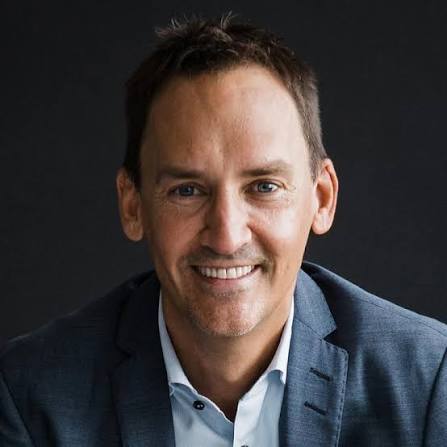
President, American Academy of Esthetic Dentistry
Dr. Gregg Kinzer is a prosthodontist in Seattle, where he runs a private practice limited to comprehensive restorative and esthetic dentistry alongside his wife, Dr. Jill Kinzer. He serves as Faculty Chairman and Director of Curriculum and Campus Education at Spear Education in Scottsdale, Arizona, and as an Affiliate Assistant Professor in Graduate Prosthodontics at the University of Washington School of Dentistry, where he earned his DDS in 1995 and his prosthodontics certificate and MSD in 1998.
He is the sitting President of the American Academy of Esthetic Dentistry and a recipient of the Seattle Study Club's Saul Schluger Memorial Award for clinical excellence in diagnosis and treatment planning. With Dr. Jeff Rouse, he co-developed the Seattle Protocol for diagnosing and treating airway issues, and he is co-authoring the forthcoming Global Diagnosis II with Dr. Bill Robbins and Dr. Jeff Rouse. He also holds an adjunct faculty appointment at the Arizona School of Dentistry and Oral Health.