Special List #27: How Growth Exposes Gaps You Haven't Fixed Yet with Dr. Marq Sams


Most practice owners hit a point where the systems that got them here start cracking under more patients, more staff, and more decisions that used to be simple.
Dr. Marq Sams leads the Implant & Perio Center of Kansas in Wichita and joins co-hosts Cameron Full, Dr. Jason Souyias, and Dr. Michael Seda to talk about what actually changes once a practice starts scaling.
Marq built his own Seattle Study Club chapter, the C.L.U.B., by handpicking members for character over convenience, and he explains why so many study clubs struggle to keep people showing up.
He walks through the sinus lift case early in his career that taught him to slow down and learn a technique before chasing speed, plus the pre-surgery list habit his whole team still relies on.
The conversation turns to what scaling actually reveals in a leader — the training gaps, the accountability conversations people avoid, and why a title on a door doesn't make anyone a leader.
Marq also previews what he'll cover at the Dental Wellness Forum this October, drawing on the car accident that reshaped how he treats patients today.
Guest
Marq Sams, DMD, MS
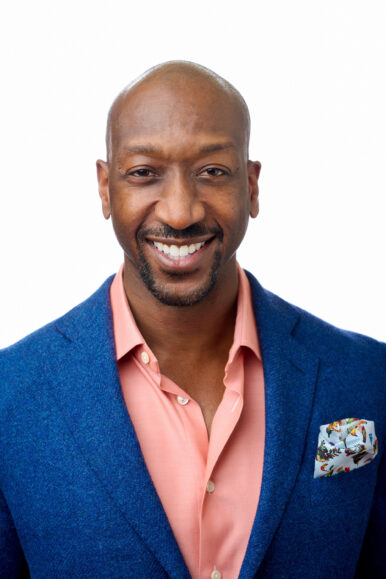
Dr. Marq Sams is a board-certified periodontist and Diplomate of the American Board of Periodontology who leads the Implant & Perio Center of Kansas, with two locations in Wichita. He earned his DMD from the University of Louisville School of Dentistry in 2006 and completed his periodontics certificate and MS in oral biology in 2010. The Wichita Dental District Society named him Dentist of the Year in 2019, and he was recognized among the nation's "40 Under 40" young dental practitioners in 2018. An international speaker on implant dentistry, Dr. Sams also founded and leads his own Seattle Study Club chapter built around collaboration, mentorship, and community.
Learn more about Dr. Sams and the Implant & Perio Center of Kansas: https://wichitaperiodontists.com/meet-dr-sams/.
Questions answered by this episode:
- How do I build a dental study club people actually show up to?
- What character traits should I look for when inviting members to a study club?
- Why does participation drop off in dental continuing education groups?
- How long does it really take to master a new surgical technique?
- What does scaling a dental practice expose about its leader?
- How do I hold my dental team accountable without micromanaging?
- Why doesn't a title make someone a leader in a dental practice?
- How do I learn the business side of running a periodontal or implant practice?
- What's a good system for documenting team communication in a dental office?
- How can reviewing past surgical cases improve clinical outcomes?
About The Special Lists
The Special Lists, presented by Referral Lab, is the podcast for dentists and dental specialists. Running a dental practice isn't easy, and if you're in private practice, it can sometimes feel like you're on an island. That's why finding your people—those who've been in your shoes and can share real, lived experience—changes the game.
Referral Lab was built specifically for dental specialists, helping you track, manage, and convert every referral. It's about improving case acceptance, boosting team performance, and strengthening relationships with referring providers so your whole practice runs smarter.
This spirit of connection fuels The Special Lists podcast. Hosted by the team behind Referral Lab, we bring you wisdom from practice owners and dental professionals, sharing the wins, mistakes, and lessons that shape how they run their businesses today.
Got a question for us? Send us a message at speciallists.com (with two L's)
Transform your referral workflow with Referral Lab, the purpose-built platform for dental specialists to track, manage and convert every referral. Request a demo at referrallab.io
Hosts
Cameron Full
Co-Founder of Referral Lab
Cameron Full, co-founder of Referral Lab, is a strategic problem-solver with expertise in business management and digital solutions. He combines leadership, creativity, and technology to drive success across various industries.
Connect with Cameron on LinkedIn.
Jason Souyias, DDS
Periodontist and Co-Founder of Referral Lab
Dr. Jason Souyias is a periodontist, educator, and co-founder of Referral Lab software. He teaches dentists and hygienists, including as a Pikos Institute faculty member. In his Port Huron private practice, he's known for excellent patient communication and experience.
More about Port Huron, Michigan periodontist Dr. Jason Souyias.
Michael Seda, DMD, MS
Periodontist and Co-Developer of Referral Lab
A clinician and entrepreneur, Dr. Seda brings 19 years of private practice experience to his periodontal and implant surgery practice in the San Francisco Bay Area. His education spans a degree in Psychobiology from UCLA, a DMD from Harvard University, and a Master's in Periodontics and Oral Medicine from Columbia University.
More about Bay Area periodontist Dr. Michael Seda.
Follow Dr. Seda on Instagram @sedaperio.
Co-hosts: Cameron Full, Jason Souyias, DDS & Michael Seda, DDS
Producer: Eva Sheie @ The Axis
Assistant Producer: Mary Ellen Clarkson
Engineering: Chris Mann
Theme music: Papa Funk, spring gang
Cover Art: Dan Childs
The Special Lists is a production of The Axis.
Dr. Sams (00:00):
You're like, oh, my practice is not doing well. Are you leading the people? People are waiting to be led.
Cameron Full (00:07):
Are you giving out participation awards in your practice or what are you doing?
Dr. Souyias (00:10):
They showed up today.
Dr. Sams (00:11):
Exactly.
Cameron Full (00:14):
Seds didn't laugh because he is.
Dr. Souyias (00:18):
No, he didn't laugh because he lives in California. Thanks for listening to The Special Lists presented by Referral Lab, the podcast for dentists and dental specialists. All right. Welcome to another episode of the Special Lists. Tonight with my co-host as always, I got Dr. Michael Seda.
Dr. Seda (00:37):
I'm here with you, my brothers.
Dr. Souyias (00:39):
Dr. Cameron Full.
Cameron Full (00:41):
Yes, sir.
Dr. Souyias (00:41):
The non-doctor doctor.
Cameron Full (00:43):
There we go.
Dr. Souyias (00:44):
The non-doctor doctor.
Cameron Full (00:45):
There we go.
Dr. Souyias (00:46):
That's right. And our guest tonight is Dr. Marq Sams. Marq, welcome to the show.
Dr. Sams (00:52):
Man, thanks for allowing me be with my brothers, man. I'm stoked about this whole thing.
Dr. Seda (00:57):
This should be good.
Dr. Souyias (00:59):
This is going to be fun. Listen, Marq has been a longtime friend of all three of ours. We've known him for a lot of years and we're really excited to have him on the show. Besides talking about his bio and stuff, Marq really truthfully runs one of the tightest and best practices I've ever encountered. And man, he's really fabulous at understanding business side of dentistry, and I'm looking forward to what we're going to talk about tonight. So we're really glad to have you on the show. Just to give you a little of his bio, he is a board certified periodontist, an international speaker and recognized leader in implant dentistry. Earned his DMD from the University of Louisville and his periodontic certificate and MS in oral biology in 2010. He's a diplomat of the American Board of Periodontology and he is passionate about advancing dentistry through education, collaboration and leadership.
(01:55):
Ladies and gentlemen, Dr. Marq Sams.
Dr. Sams (01:57):
That's a nice intro.
Dr. Seda (01:58):
You left off biggest biceps this side of the Mississippi.
Dr. Souyias (02:02):
Oh my God. Show us the guns for the, oooh.
Dr. Seda (02:04):
Dang. Those things are huge, baby.
Dr. Souyias (02:07):
Yes, I did leave that off because I'm intimidated.
Cameron Full (02:11):
When do you have time to train?
Dr. Sams (02:13):
I don't have time to train my friend.
Dr. Seda (02:16):
Yeah. Apparently he was born like that.
Cameron Full (02:18):
Did you see that online?
Dr. Seda (02:19):
I think he just walks around the office picking up gallon jugs a couple at a time and like, oh.
Dr. Sams (02:24):
I'm just pulling teeth all day just like this.
Dr. Souyias (02:27):
Pulling teeth. Exactly.
Cameron Full (02:27):
Did you see that guy online, that looksmaxxer guy or whatever that was just shooting steroids and didn't work out and he went into a bodybuilding competition?
Dr. Sams (02:36):
Oh, really?
Dr. Souyias (02:39):
No, I didn't see that.
Cameron Full (02:40):
Didn't lift any weights. Just steroids and went straight to a competition. Anyway, I don't know what that has to do with this other than the fact that Marq looks good.
Dr. Souyias (02:48):
Marq does not shoot steroids. Let's clarify that. Yes.
Dr. Sams (02:50):
Yes. No.
Dr. Souyias (02:53):
Cameron might not have been trying to imply something there.
Dr. Sams (02:56):
Exactly. Per usual.
Dr. Souyias (02:58):
It's all natural, man. Per usual. That's it.
Dr. Seda (03:01):
Yes.
Dr. Souyias (03:02):
Yeah. We can't get together as friends and harass each other all night long, but we're pretty good at that part of it.
Cameron Full (03:08):
I don't know if the listeners would want to just harass each other for an hour.
Dr. Sams (03:12):
I mean, that might make a good episode. It might go viral.
Dr. Souyias (03:14):
It could go viral. Well, you are director of the club. Tell me about your club that you run.
Dr. Sams (03:24):
So what does the club mean?
Dr. Souyias (03:26):
What does the club mean? Yeah.
Dr. Sams (03:28):
Collaboration, learn, unite, and what else is the other one?
Cameron Full (03:34):
Something B.
Dr. Souyias (03:35):
B.
Dr. Sams (03:37):
Oh, build.
Dr. Souyias (03:38):
Biceps. Build biceps.
Dr. Sams (03:40):
Biceps, that's right. Build.
Dr. Souyias (03:43):
Build. All right.
(03:44):
Collaborate, learn.
Dr. Sams (03:44):
Learn, unite, build.
Dr. Souyias (03:46):
Build. All right. Nice.
Dr. Sams (03:48):
So started a club and now it's a great group. Excited to be a part of a Seattle Study Club. It's been a long journey and my group is young, thriving. I was very strategic on who I picked because I think you have all these clubs and you have a draw of speakers to pull from and everyone is basically doing the same thing. Every month you have a meeting, you have seven to nine meetings a year. So what makes a club different? What makes it different? Not our club. The golf club. The club different. It's the people that are involved. So I wanted to make sure I got a good core and I was very selective about who I brought in and I wasn't trying to keep certain people away from it. It's just like, it has to be a unified group with the same intentions and the same energy to be the most effective club that you could have.
(04:52):
And so that's my intentions behind it. I don't need that to be a huge club. I just want it to be a lot of focus energy and have a positive environment for people to learn and to be able to just be with each other. We all live this life as dentists and we're running hard twenty four seven and we just need people to deflect and be able to vibe from. And that's the environment that I was trying to create. That's the difference that I was trying to create is having something where people have a lot of commonality and it's not just a dental education center, it's a community. That's what I think the beauty of Seattle is, is that it's all encompassing. And so that was the goal of the club.
Dr. Souyias (05:43):
A lot of people in specialties run clubs and have been really, really struggling to get participation, to get the people showing up. What were the character traits that you looked for in the people that you were inviting selectively to be part of your group? How many members do you have and what were those character traits you were looking for?
Dr. Sams (06:05):
So we had 20, 25 members and that's our first year. So I was trying to keep it small. I'm sure I could blow it up if I wanted to, but character traits, how intentional they were about their dentistry. Were they good dentists? Were they good people? That was probably one of the biggest ones because I didn't want anybody causing any kind of, you want to have conflict, but you want to have constructive conflict. And so I didn't want that to be a disruptor and discouraged people who are not getting in.
Dr. Souyias (06:49):
Why do so many people feel like they struggle with participation? I can speak from even my own study club. I've done that. We've had it over 10 years and we've struggled, right? We've had to rework when we hold our meetings and what kind of meetings we're having and how many meetings we're having. I think people are inundated with education and I think the biggest thing you said is community, right? Making it a group of people that are fun and look forward to getting together with one another, right?
Dr. Sams (07:23):
Oh, no doubt. We live in this world of distractions and everybody's busy and is trying to find or communicate the value of community. I think we have so many things in life that are isolating us. You have so much technology, you have Ubers that drive themselves, so you're isolated, not even talking to the driver.
Cameron Full (07:50):
I still talk to the Uber.
Dr. Souyias (07:52):
He talks to the Waymo driver. He's like, "Hey man, take me to..." Yeah, I know.
Cameron Full (07:55):
Hey man, you're a shitty driver. You
Dr. Seda (07:57):
Guys have that in Chicago yet?
Cameron Full (08:00):
No.
Dr. Sams (08:00):
You don't have it yet? It's coming.
Cameron Full (08:02):
No, no Waymo here.
Dr. Sams (08:03):
Yeah. People on their cell phones twenty four seven, family sitting at dinner, not even looking at each other communicating. How easy is it to text a friend rather than call them? You know what I mean? All this stuff is leading to isolation and if you don't stop it or be intentional about not making that a part of your life and not trying to look for community and not trying to look for that connection, you're just going to be isolated, which we were not made to be isolated. We're human beings and we're meant to be in tribes and groups. So I think that's the hard part that we fight against. We have the dental education online stuff. That's another thing that isolates you. And the more it happens, the more you're going to get isolated and isolation is the enemy or evil that can take you down the wrong road in certain situations.
Cameron Full (09:00):
Yeah. I mean, even in the non-dental space, like the education, the hybrid education functions that are happening, it's like these schools that are trying to figure out what their next step is where master's programs are cohort driven mostly. And it's like, how effective is your cohort when you're not ever, ever seeing the individuals? I mean, you can obviously develop online relationships and do a good job of that. But with that said, I mean, as a guy that did a master's in person and a doctorate in person, I don't know how effective those education, for my style of learning, and maybe we change over time. Maybe there's an adoption to this, but I like the community aspect of Seattle Study Club. I think it's a major component of its success and I love that you're playing into it.
Dr. Sams (09:50):
There's so many different circumstances where community makes an impact or just communication makes an impact. I mean, even when I just talked to one of my marketers today or last week and they were like, "Yeah, I sent them an email and I text them." I was like, "How about you pick up a phone and you call them?" That's way more impactful when you get, I don't know, so much of the senses that you get when you speak to somebody or see somebody in person. I will not do certain business deals unless I'm in person with the actual person that I'm going to be doing business with because there's so much that you get from it. And like I said, I think the more we isolate ourselves and lose ourselves and it's a detriment to the humanity that the wrong road to go down for sure.
Dr. Seda (10:51):
So first point on the list, master the small details. Sams, what does that mean to you?
Dr. Sams (10:58):
The little stuff is the separator from good to great. And that goes in every part that we do, the surgery component or as what materials are you using? What's your suture technique? How long are you doing the procedure? What patients are you doing it on? I was told when I was in residency, you're only as good as how many golf clubs you have in your bag. That is a component of it, but why are you using that golf club? You need to know the why. Why are you doing any of the stuff that we do? I was thinking about even passing instruments with assistant. That's a little small detail when you're in school, if you got an assistant, you were lucky and you definitely didn't know how to do forehand dentistry or be able to pass instruments and be able to communicate without having to verbally communicate.
(11:59):
It's speed and efficiencies that happen with that and people forget about that. They forget about how you need to teach your assistant.
Cameron Full (12:08):
There's this myth of this, and I learned about this in my own school. There's this myth of this book, I need to see if I can get my hands on it, that UPS put together for its drivers like 25, 30 years ago. And what they did was they went on field tests and they studied the different ways that the drivers increase their efficiency. And so the one that I remember is the reaching over your shoulder to grab the seatbelt at the same time that you're turning the ignition.
Dr. Sams (12:49):
Oh really?
Cameron Full (12:50):
And so you got to remember, these guys are doing this stuff all day. And so when you start to compound all those little things, it really has a compounding effect. So if they figure out that that saves you two seconds or three seconds, and how many times are they doing that a day, a week, a month or a year, that three seconds, what does that turn into? So when you're talking about forehanded dentistry or what other thing, either surgical or not, it's the compounding effect of the details that really make. In our own family business back in the day, my dad and I, we called it the golden variable. Everybody's always looking for the golden variable, right? This thing will lead me to the final bus or whatever. And now it's like you realize it's 20 variables. It's the details. This is a great topic.
(13:48):
I love this one.
Dr. Sams (13:49):
It's the little details. I mean, probably once or twice -
Cameron Full (13:53):
Okay, so what's tne thing? So what's one thing you do to save time?
Dr. Sams (13:56):
One thing I do to save time?
Cameron Full (13:58):
Yeah, like that UPS driver. What's one thing that you've learned in the last 20 years that's just a hack?
Dr. Sams (14:03):
Like a little thing or are you talking about just like.
Cameron Full (14:06):
Whatever. Sorry I put you on the spot, man. Geez. Souyias, you jump in if you got one.
Dr. Souyias (14:12):
I got one. So us using walkie-talkies and earpieces instead of the old fashioned light call system to the rooms. So the office, I mean, I know they don't make these anymore, but our office was built in 94 and we were wired with a lighting call system. And so when I first started here, you'd have to hit the button, the assistant would come to the room and be like, "What can I get you?" Then they'd have to leave the room and go get the stuff and then bring it back to the room. Now we all wear little walkie-talkies and earpieces and we're just like, "Hey, bring two CCs of bone to room three." Boom, the bone shows up. So again, multiply that by how many times we call for things in surgeries. We added an extra surgery a day by doing that.
Dr. Sams (14:54):
So this is my little thing that I do that I feel like is a G code is I look at every single surgery the morning of or the night after, and I make a surgery list. And so everything's already out. They already know what the pull. I mean, sometimes you're in surgery, so you can't always predict how it's going to happen. So yeah, I got to switch up a membrane or whatever, but they know the membrane size, they know how much bone, they know if I'm using a sinus look and I'm using this, which implant to use. They already have it. They know what the sizes are. And so they get upset if I do not have that list and I know how much it slows me down. But also another thing is looking at my procedures before I do it. It's a huge benefit for time.
(15:51):
And you say that's efficient. I've done the implant, a simple implant or complicated so many times that yeah, I know how to do it, but to actually look at it before, it's almost envisioning like an athlete envisions what the game's going to be. If I look at all the data that I need to look at prior to the surgery, it goes so much smoother. It's crazy. I tell my team members to do the same thing. I was like, "You need to envision the surgery how it's going to go." And it goes so much smoother if you could get everybody on the same page and you do it yourself. That's like a little cheat code that-
Dr. Souyias (16:33):
That's a good hack. Yeah. It's so true. You're absolutely right.
Dr. Seda (16:37):
We use Google Workspace in the office and it's got a chat function. So we all communicate with each other, treatment coordinators to me, vice versa, the assistants, we all have different chats, individual chats with individual team members. And so it's really cut down a lot of having to talk in person or walk across the office to take care of something or you want something done, you got to send it out. You don't want to write it down, just type it, set it up the chat. Or even I communicate a lot with dentists and a lot of it's over cell phone and we want to document this stuff. You don't want it just lost. Once it goes into my brain, it's a void in there. You want to hear what's going on in my head? It's nothing. Once it goes in there, it's lost. So what I do is I'll screenshot the text message.
Dr. Souyias
Large expanse.
Dr. Seda (17:29):
Exactly. Or the transcriptions of the voice messages, I'll screenshot those, upload those to the chat and say, "Please put this in the patient's chart." So a lot of that type of communication really streamlines a lot of what we're doing as well. But I think big picture, because I really liked this first bullet point about the details. If you focus your attention onto the day-to-day systems, the small things, the details with humility, because you'll put a system in place and then you may find in very short order that it's probably not the best way to do it and it needs to evolve. So to have the humility to know, "You know what? Nope, we need to revamp this again and revamp it again." And over time, the planets start to find their orbits, if you will. And having the humility to know that that's what it's going to take.
(18:24):
I see a lot of young practitioners that come out and I'm the first one to want to be a mentor to people. If I can alleviate your suffering because of having learned the lesson the hard way myself and I can share that with you, I want to do it.
(18:42):
A lot of times I see these guys or ladies come out of school and it's just full steam ahead. They already know what they're doing and how they're doing it, and you see opportunities to help them kind of change or tweak the way they communicate or evaluate something. Sometimes there's very little room for that conversation to be had and it takes humility.
Dr. Souyias (19:05):
Don't you also think though, as you get further along in your career, Seda and I are 21 years out this year, right? So when's the last time I really encountered a new technique? It's been a while. I've gone to enough continuing education that I'm not seeing something that's this large, right? Yes. The longer and further you've been out, you're like, "Okay, that's a tweak of this technique or that's the..." You know what I mean? Yes. It's the smaller and smaller, finer details that just start to matter in your life the further you go. I mean, geez, the first time I did a sinus lift, it was a six hour procedure. And okay, now last week I did bilateral sinus lifts with one implant in an hour.
(19:52):
It's just the compaction of experience and time and the little things that you pay attention to, that it is the small stuff that matters the further and further you get away. Oh, the first crown lengthening. I did a crown lengthening surgery is what made me fell in love with perio as a dental student. And nowadays I'm like, "Oh, crown lengthening." It's like, "Really? I don't want to be messing with that." It's just funny though, as you go into your career, it starts to be rarer that you encounter the large things that can make a difference. I mean, when I came out of school and took Pat Allen's course on how to do tunneling and technique, I was like, "Oh my God, this is a game changer."
Dr. Sams (20:39):
Right.
Dr. Souyias (20:40):
Well, when's the last time you encounter. You've been around long enough, you start to see the same things.
Dr. Sams (20:46):
Correct. When I was in residency, it was this doc, his private practice. He used to come in every Wednesday, whole day. I think he was the first resident of Dr. Greenwell, Henry Greenwell, and his name Melbauer. And he told me two things that sticks with me still today. One is what we were talking about. He was like, "In seven years, you're going to have what you have. That's going to be your arsenal. It's going to take you five to seven years to build that up. It's going to be efficient for you to do it this way, even though this technique's out, this new technique's out, but you're so great at doing it this way that you're not going to want to switch over because you got the materials that you like to use, your assistant knows how to do it, you know how to do it so well that it works better than the new thing out." And another thing he told me was like, I don't even know if I want to go down this road.
Dr. Souyias (21:47):
Let's do it. I like it. When it comes to Marq Sam's pause, I like it.
Dr. Sams (21:51):
Oh man. So I think you guys probably know I was in a bad car accident when I was in residency. And so when I got out, I'm behind everybody by four or five, six months. And so I'm trying to catch up. I'm trying to do surgeries and I'm doing them quick. I talked to Dr. Greenwell. I'm like, "Hey, why can't I do this?" I don't know what it was, a lateral sinus little implant procedure. And he's like, "You ain't ready yet." I was so freaking crushed. I talked to the Melbauer guy and he was like, "You know what? You learn the technique and the speed will come." So I went back and looked at every single surgery I did before the accident and after the accident. I was like, "Man, my work is trash." I see why he said it. I took his advice and I slowed down and did the right techniques and it took me a while to build back up. That being said, I wound up placing the most implants out of the whole residency that once I graduated that period of time, I wound up catching up. I graduated on time, but it was intentional about learning the technique and he was so right.
(23:17):
Even when I got out of practice, I started out the gate slow. I was just telling my partner or associate about it today and I was like, "It's going to get slow." It was so slow at a point that I was like, "I don't know if I made the right decision to move here." Fast forward six, eight months, I'm freaking slammed. I buy another practice and I'm drowning. It's going too fast. It's like trying to drink out of a water hose. I'm like, "Geez." I started making mistakes again and stuff started to fail. I was like, "Let me go back to what I learned in residency from that experience." I was like, "I'm freaking slowing down. The patients can wait. I'll take better care of them if I slow down and try to do this thing this way instead of trying to pack everything in and get it done." And that's a lesson that's traveled through me for even to this day.
(24:20):
It's crazy, but learn the technique and the speed will come and take your time and reflect back on what you previously experienced or you're going through. If you have an issue, you got to step back away from it.
Dr. Souyias:
Love it.
Cameron Full (24:36):
I mean, that's the gift of actual learning.
Dr. Sams (24:40):
Right.
Cameron Full (24:41):
And it's so funny that we're talking about this because just. Was it yesterday, Suez? I was reviewing some of the work I did for my doctoral program. Yeah. I was reviewing some of my papers yesterday I wrote eight, nine years ago. And just like what you're saying with this, it's like I read it and I was, "How does this apply to what I'm doing today? What can I take from these insights?" I think that's what's at risk with our current learning arc is the, especially before it was the internet, now it's LLMs. You dump something in and then overnight, you're an overnight, you're an instantaneous expert. At least you think you are until you get in a room with real experts and they're like, "Yeah, but you missed this 25% that this doesn't make any sense about." And it's not until you take the time, you go back, you look at your work, "Hey, this was really great. Man, I've learned a lot since this. How would I have changed this engagement or this surgery or this work?" It's interesting and all of us have kids and as we're watching how they're learning, I mean, Penelope's not dealing with AI stuff yet, but I'm sure Sage is with their schooling and stuff.
Dr. Sams (25:59):
Right.
Cameron Full (26:01):
Yeah. I love what you brought up because it was just yesterday I was doing the same thing, Marq. I was looking at my doctoral writing.
Dr. Sams (26:06):
You have to do that.
Dr. Souyias (26:07):
Marq's advice though is such wonderful advice. What you said too is the same thing I've always said to people when I train them. I'm like, "Get good at the techniques first. Speed comes
through experience." That's the thing is if you learn, but you said it so masterfully, learn the techniques because there's science behind what we're doing. There's method behind what we're doing. Don't be a technician who just knows how to do a procedure, know why you're doing what you're doing.
Dr. Sams (26:39):
Right, exactly.
Dr. Souyias (26:39):
When you master that, speed automatically comes with time.
Dr. Sams (26:43):
Correct.
Dr. Souyias (26:44):
Even if you're critical of your work, right?
Dr. Sams (26:46):
Right, exactly. You have to be. And so probably once, at least once a year, if not twice a year, whenever we have our meetings as a full team, I always tell them, "Hey, pick one thing you're going to work on." For me, sometimes it's like the incisions, how I make my incisions. I've been doing incisions for the last 20 something years, and you would think I would know how to do it, and I do, but it's always going back and reflecting, "How can I be better at it? Can I use something different? Can I get into this area a little bit better? Will it cause less trauma or damage?" And if you don't take those little things, whether it's taking an x-ray, can I be more gentle and easier? Can I get all the information I could get from taking an x-ray? That's something simple that we've been doing forever.
(27:40):
And whatever, it could be the front desk. "Hey, can I put in this information a little bit more detailed or at a different rate or a different speed? Can I answer the phone differently? What impact is it having? How long did it take me? What information was I able to provide to get an answer quicker and get to the point quicker? "
Cameron Full (28:02):
It's mastery.
Dr. Sams (28:03):
Right, exactly.
Cameron Full (28:04):
It's mastery.
Dr. Sams (28:06):
On every single level.
Cameron Full (28:08):
Well, you look at pro sports players, it's like they're watching tape all the time.
Dr. Sams (28:15):
Right.
Cameron Full (28:16):
They're watching how they respond, how their comp responses and what responds when. I mean, like the Mendoza guy from Indiana, he was a grad student. And so what did he do all day? He sat at home and watched game tape, studied the playbook and watched tape. How often do we review our work?
Dr. Sams (28:41):
Right.
Cameron Full (28:41):
And when we're super busy, the reality is it's not enough, but the reviewing of the work is what builds the mastery, I think.
Dr. Seda (28:51):
That's a whole nother topic too. Reviewing your work, that's a big one, especially in a procedure-based type service where you're performing and then there are outcomes and then you move on. But very rarely do, I think, any of us go back and really look at how we did what we did and how it turned out to modify our approach. It's a good one.
Dr. Souyias (29:19):
Your method for documenting things though, Michael, is one of the best I've seen to be able to
allow you that retrospection,
Dr. Seda (29:24):
Right? That's really what I was thinking about as I was just kind of going back. I do it pretty much every week and so much comes from my ability to do that just by documenting every step of every surgery and being able to go back and look at it. I wonder, how do you guys do it? How do you guys go back and kind of evaluate what you do?
Dr. Sams (29:50):
I mean, I don't do it for every surgery. I mean, I'm pretty critical during the procedure. I don't know what It was this week actually. I'm sure they were like, "Why is he pissed off?" And I was like, "Because it didn't go like I wanted to go. It wasn't as smooth. I got it done and it was something simple." And that's why I was even more pissed. It might've been like a connective tissue graft and I was like, "Man, that suture pulled through and when I tied it, it broke the suture." And it was just a little thing. I was like, "Oh man, I could have did it a little bit nicer and it could have looked a little bit better if I had to did it this way." And it's just like critiquing yourself. And then certain situations I go back and it's like, "What in the world just happened?" And I will look at all the information, the pictures and the x-rays and try to figure it out.
(30:49):
But I don't do it for every surgery. I mean, if it went pretty smooth, I kind of leave it. It's the ones that I'm like, whether it was simple or not, I will go back and see what did I do and what could I have done better? If you don't start out looking at how I could have done something better, you're not going to do it 10 years later. Nope. It's something that you start out when you first get out of school or when you're in school even, you have to have that mindset. And I think that's like, how can I be better? How could it have been better? Even if it goes perfect. People say, "Oh, Dr. Sams, you did a great job. I want to know what I did bad. What did you not like? Because I want to be even better than I was the next day." And that's like the saying we got BVOS, the best version of self.
(31:38):
I want to be better every single day that I go into it. How can I be the best boss, clinician, husband? No, I'm not husband. But you know what I mean. But you have to sit back and reflect and analyze that stuff and process it to actually be effective. And like you said, if you don't -
Cameron Full:
For all the ladies listening.
Dr. Souyias (32:05):
I'm just saying, was that a single plug? That was a plug. That was a plug for Marq Sams.
Cameron Full (32:10):
Was he plugging? Yeah. If you go to the site and follow the referral form.
Dr. Sams (32:16):
Oh my gosh, you got me too much. And
Cameron Full (32:19):
Yes, it was a plug. You did it. You did it.
Dr. Seda (32:22):
Guys, we got to get to the next point here. Point number two, growth exposes the leader.
Dr. Sams (32:29):
So as you start out or when I started out, it was smaller. I think we had six, 17 members. And like I said, when I started out, it was slow. And then all of a sudden it was like drinking out a water hose. It was so much. And I think it exposed a lot of stuff as far as inefficiencies, training, capacity. And so that's the part that exposes you as a leader, did I prepare? And I think you hit on it. I don't remember what about it, Cameron. It's like preparing ahead of time before. That was another podcast you guys had did. It's like being prepared before the storm comes. Having your raincoat and being sheltered before the storm comes and that's what'll expose you if you're not prepared. You lose that time. If you're not training other people to come up behind you, if you're not doing the actual training to get people prepared, that is what exposes you in growth.
(33:51):
Your weakness doesn't get better. It just exposes you. If you're a horrible leader, it's not going to get better. If you're not a great surgeon, you're not going to get better when the growth happens. So it expose every weakness that you have even more. It amplifies it. You can't hide when you have growth, which is a cool thing. You learn and growth is painful and you learn, that's where you learn. And everybody knows that saying you can't have growth without pain and it's painful to have a failure, a failure on all levels, whether it's surgery or leading the team, that's a big one for me.
Cameron Full (34:36):
Yeah. I think the interesting point though, and you and I talked about this in Portugal, the problem too though is in your circumstance or anybody's circumstance that's ultra high performer is that you build your practice or whatever business and you set this expectation based off this demand. And this demand's based off of either scarcity of your service or whatever in that market. So you've built in the right place or you're a magic charismatic individual and so you take from competition or you're excellent clinically or whatever drives that demand or cost, you're a value leader. But all of a sudden you build your entire infrastructure off of this demand that you've actualized. And then you're like, okay, I need help now. So you bring in an associate or whatever and you have this unrealistic expectation of what their life should look like based off of your life.
(35:45):
But the reality is that your life or your trajectory was the unique one. And so it's like, okay, well, so am I expecting, did I set the bar appropriately for this person to be successful based off of the industry's experience or my own? And so it's interesting as a high performer, and I mean, I'm not going to put myself in that category, but I sure as heck expect. I've had to come to terms with the fact that people won't care as much about my businesses as I do. And it's taken a long time, but at the same time, every day it's like, man, man, what are you doing? I'm happy that I'm more wrong than I'm right with that now. But man, back in the day, I was like, "What are you doing? Don't you see?" I think that's a result of exposing yourself as a leader and growing into that space.
(36:50):
Now it's at the same time. It's like, okay, well, how do I make that change then? What do I have to change in myself that allows for my practice or business or people to grow around me?
Dr. Seda (37:03):
That's a huge one right there. Well said, Cameron.
(37:07):
I look at myself and early on, you've got the pressure of performing procedures that you haven't done many of, you've got the pressure of leading a team of 10 plus people that you have no experience in the past doing. There's so many different responsibilities financially. It's a very heavy load. And when things don't go right, you also have to have the maturity to stay composed, positive and encourage people to come along and evolve and fix the problem. I look back at my old self and I know it's almost embarrassing to think about how I used to react to different scenarios and how it was probably pretty off-putting, not just for my team that was around me, but also the patients that were in the same room. I don't know what was. There's this big blind spot I had about the fact that whatever I said, for whatever reason, I thought the patients wouldn't hear it.
(38:08):
Or maybe they would just think that should be the way how things are. And now in my more mature Seda 2.0, I still have a lot of evolution to go. Anytime there's a problem, the first thing that runs through my mind now is stay calm, smile and make sure everyone's okay around me first. Then we can kind of use that as a stepping stone to figuring out what happened, address the problem. And usually it's always okay. There's never been a catastrophe so bad that we weren't able to kind of pick up the pieces and move forward. I think for me, growth as a leader has been about staying calm, staying positive and creating an environment where people feel safe.
Dr. Sams (39:00):
I think we hit on this. We're at this stage in our career now, but you had to go through that first. You can't be that same person. You can't be that person at the beginning that you are now and you can't be the person that you were before. Well, some people stayed the same, but you can't be that person and that takes reps. It takes experiences to get you to that point where you are the Buddhist monk just taking on all the troubles and not deflecting it and being able to handle it calmly. It's like the ultimate zen, but you have to go through it. I remember one point and it was pretty pivotal. Believe it or not, I had a little short. I didn't have a short temper, but I was short fused. I was like, "Hey, if you can't do it, okay, we need to go get somebody else." And so I would just fire you like if you didn't do it.
(40:02):
I was probably like two years in, maybe a year and a half in or so. I was like, "You know what? I'm not perfect. There's no such thing as a perfect human being, let alone assistant or front desk or administrative." I was like, "It's my responsibility as a leader to grow them." And that's been the most pivotal, most rewarding thing that I get out of being the leader of my practice at this point is seeing growth in other individuals and letting me lead them because there's no such thing as the perfect team member. As a leader, that's what you're supposed to do. I just told my son, he thinks he's this big time lag athlete and all this stuff. I was like, "If you think you're the best, you have to be the leader." And what's that mean? You have to bring people up and that means, yes, you have those hard conversations like, "Hey, bro, I expect better than that.
(41:07):
You can give me more than that. You're going to take this role. You say you're the best. You say you're the greatest. Let's see it happen." So part of encouraging, holding people accountable, and that's a part of us every day. If you don't hold your team accountable, and I think that's a thing that is lacking, an element that lacks in a successful practice. You're like, "Oh, my practice is not doing well." Are you leading the people? People are waiting for them to be led. Are
Cameron Full (41:39):
You giving out participation awards in your practice or what are you doing?
Dr. Souyias (41:42):
They showed up today.
Dr. Sams (41:43):
Exactly.
Cameron Full (41:46):
Seda didn't laugh because he is.
Dr. Souyias (41:50):
No, he didn't laugh because he lives in California.
Cameron Full (41:53):
Exactly.
Dr. Souyias (41:54):
He has to stay the closet conservative in California.
Dr. Seda:
You guys are crazy.
Dr. Souyias:
No, but one of the cool things too is talking about this is being leaders and mentors, part of us wants to protect the people we're bringing up too.
Dr. Sams (42:14):
Correct.
Dr. Souyias (42:14):
And we sometimes forget it's going through and dealing with the hard stuff that got us to the point where we're at. This true as parents, this is true as leaders and mentors. You got to really take arrows. We got to let them take care of stuff. We got to let them handle it and figure it out because if we always do it for them, they're never going to have that growth.
Dr. Sams (42:35):
Correct.
Cameron Full (42:36):
Yeah. They got to take a couple arrows. They need some battle ones.
Dr. Souyias (42:39):
Because I took a bunch when I came up. I did a lot of stuff wrong to be able to learn how to do it right.
Cameron Full (42:46):
For Sparta.
Dr. Souyias (42:48):
Yep. For Sparta.
Cameron Full (42:49):
That's right.
Dr. Souyias (42:52):
Was that a Persian jab?
Cameron Full (42:55):
Ooh. No. No, it wasn't, but man, that was good.
Dr. Souyias (43:03):
I'm not Spartan, but that's all right.
Dr. Seda (43:06):
All right. Let's keep going here. We're making our way through the list. A title doesn't make you a leader.
Dr. Sams (43:12):
Oh man. I probably hate that the most is when somebody gets a title and they think they're entitled.
Dr. Seda (43:21):
I know exactly what you're referring to. Yeah. It's the reason why we don't really use titles like that in my office because the minute one person takes a title, then it almost changes the dynamic as opposed to everyone kind of just collaborating to get the job done. Right. Souyias, do you have an office manager?
Dr. Souyias (43:44):
I do.
Dr. Seda (43:45):
And she's been there for as long as you have, right?
Dr. Souyias (43:49):
She started in the practice in 1994.
Dr. Seda (43:53):
Yeah. So I feel like -
Dr. Souyias (43:55):
I graduated high school that year.
Dr. Seda (43:59):
Yeah. So you have an exception there where she's been there longer than everyone.
Dr. Souyias (44:05):
She's the unicorn. Well, it's 100% not about her being there longer than everyone. She has incredible dedication, work ethic, commitment to bettering the practice, growing herself. I mean, she's my right hand. I could not run the practice without her.
Dr. Sams (44:29):
Yeah.
Cameron Full (44:30):
What's the line? It's not the time that you put in the work, it's the work you put in the time.
Dr. Souyias (44:34):
Yeah. Yeah.
Cameron Full (44:37):
Time doesn't mean anything if that person's there and capable and putting in that effort immediately.
Dr. Souyias (44:42):
Yeah. She's amazing. I mean, this is her practice as much as it is my practice. Kathy's a rockstar.
Dr. Seda (44:49):
Yeah. Learn the business behind the dentistry. Sams?
Dr. Sams (45:01):
I mean, everybody knows that you don't learn very much about business and dental school. And so it's learning about the numbers, and that's from a financial perspective, but how the business is supposed to operate. That was something that I really wanted to know. I knew I could do the surgeries, but I wanted to see why things operated and what was going to make it operate efficiently but profitable for the business. And so that just took a lot of work from an educational standpoint to try to understand why am I paying this person this amount and what's the return on the investment on that? Or what's the lines on this profit and loss? I'll never forget my predecessor, Dr. Squire, I think I met him in Boston and he was going over his tax stuff. And I was just like, "I don't know what this profit.
(46:04):
I don't know anything on this sheet. I don't even know why you're showing me." And he was so put off by it. He was like, "Are you just interested in this whole thing?" I was like, "I just want to work and make some money to pay my student loans off, bro." Oh man, it just went time and of course you started making money like, "Well, I'm picking all these taxes." And so you're trying to figure out what those little lines mean on the profit and loss, but also just operating, like what's going to make your practice run the best? It's a business and understanding the numbers and CAM, the referral lab definitely kills on that. It even makes it more efficient than using paper like we were used to. And you could dive even deeper into what works and doesn't work so you can make the wise decisions or wise decisions on which way you need to proceed.
(47:10):
And that's from all perspectives. And knowing the business is like, you could be the best surgeon in the world, but if you don't know how to run your business, what's the point?
Cameron Full (47:19):
I think a lot of times business owners hide in the production. Obviously in your world, it's the hiding in the surgical production, right? And so you can convince yourself that if I just continue to produce more, I don't have to have any of those hard conversations that I don't want to have, whether it's with your implant rep, whether it's with your team on why Suzanne is always 10 hours on overtime or guess what guys? Case acceptance is down. I'm seeing the same amount of patients. Case acceptance is down and we got to figure that out because I'm seeing it in the bottom line. This is not fair for us to have this last because this is an entire episode by itself, but so many seasoned, especially I think in high. I'm not going to say generally speaking just here, but I think in high performing businesses, it's just let's figure out how to slam more customers in.
(48:29):
I can't make my rent or there's not as much money left over after payroll as I used to have. So let's just slam more customers in and not worry about all the stuff that's causing that problem.
(48:40):
And that always leads to uncomfortable conversations because the bigger you get, the more production you got. The more production, the more people. The more people, the more opinion. The more opinion, the more loose change hiding the couch.
Dr. Souyias (48:53):
It amplifies the problems.
Dr. Sams (48:56):
Yeah. One thing we talk about is how are we efficient internally? We're doing all this work for what? For Sally Sue not to follow up with the patient. We marketed, we took this doctor out to dinner, he referred the patient. We took the phone call. We sent them the paperwork. They come in, they see the assistant, they see the doctor, they see the treatment coordinator. They talk to the financial for at the end of the day not to follow up. And they can start at the beginning.
Dr. Souyias (49:31):
Such a mess, right?
Dr. Sams (49:32):
We spent all this money on marketing and we're not able to take the phone calls. We have the phones ringing and it goes by. It's like all that little stuff counts and knowing the numbers behind that and being able to explain to the team the why I think is key. I think that's loss is like when we go over it, whenever we have somebody new, you have to tell them why. It makes 10 times the impact. If you say, "Hey, go clean up the room, turn the room over," versus, "Hey, we need you to turn the room over because we need to see another patient." That patient's coming in for us to take care of them. That patient's paying our bills for everybody to get paid and for this building to be able to function like it is and for us to take care of it leaves way more of an impact than, "Hey, can you turn the room over?"
Dr. Souyias (50:25):
100%. I
Dr. Sams (50:27):
Mean, that's small stuff. I think we do get busy and we don't explain the why, and that's why we have less of an effect and get less out of our team members because we're not explaining the why.
Dr. Souyias (50:44):
It's true. It's absolutely true.
Dr. Sams (50:46):
True.
Cameron Full (50:47):
If you don't know the why, it's hard to explain it.
Dr. Sams (50:49):
Right.
Dr. Souyias (50:53):
Absolutely.
Dr. Sams (50:54):
Good point. And that's where the mastery comes into play.
Dr. Souyias (50:57):
Hey, before we start to wrap up this episode, Marq, tell us a little bit about what the Dental Wellness Forum is.
Dr. Sams (51:04):
Oh yeah. I mean, basically the same forum that I think it's going on October 17th or 18th, and I think it's 41 speakers and it's going from a gamut from the best materials used, fitness, sleep, which is a big thing. And so it's a lot of very good speakers out there that you guys know, and it's an online deal, so it allows for us to reach a lot more people. And so I decided to be a part of that group of people. So I think it's different from any other thing that I've been a part of is for sure. I haven't heard anything like it, to be honest.
Dr. Souyias (51:53):
What will you be speaking on in October?
Dr. Sams (51:56):
That's a great question.
Dr. Souyias (51:58):
You don't know yet.
Cameron Full (52:01):
The club.
Dr. Seda (52:03):
You'll be the first to know.
Dr. Sams (52:05):
Exactly, exactly. Nice. Basically, it's my journey. I told you guys I had an accident and my journey through how my care reflected back onto my care now that I deliver to my patients.
Cameron Full (52:24):
Awesome.
Dr. Souyias (52:25):
That'll be a good story. Great to hear that.
Dr. Seda (52:28):
Good.
Dr. Souyias (52:29):
Well, as always, thank you for being on the show with us. Dr. Sams. It was a great episode. We enjoyed having you on. This was awesome. So thank you very much. Thanks Marq. We look forward
to coming back again in the future.
Dr. Sams (52:42):
No, thank you guys so much, man. I love you guys. You know you're my brothers and things, so had a great time. Thanks for the invite.
Dr. Souyias (52:52):
Thanks for listening to The Special Lists presented by Referral Lab, the podcast for dentists and dental specialists, featuring a special list from a specialist. Got a question for us? Send us a message at speciallists.com with two Ls. Transform your referral workflow with Referral Lab, a purpose-built platform for dental specialists to track, manage, and convert every referral. Request a demo at referrallab.io.
Dr. Marq Sams is a board-certified periodontist and Diplomate of the American Board of Periodontology who leads the Implant & Perio Center of Kansas, with two locations in Wichita. He earned his DMD from the University of Louisville School of Dentistry in 2006 and completed his periodontics certificate and MS in oral biology in 2010. The Wichita Dental District Society named him Dentist of the Year in 2019, and he was recognized among the nation's "40 Under 40" young dental practitioners in 2018. An international speaker on implant dentistry, Dr. Sams also founded and leads his own Seattle Study Club chapter built around collaboration, mentorship, and community.