Special List #14: Strategies That Turn Referrals Into Revenue with Dr. Amit Patel


Want to know how one periodontist turned patient-centered care into a thriving, multi-practice powerhouse?
Dr. Amit Patel is the founder of ROOT Periodontal and Implant Centers and co-founder of the Center for Oral Pathology, one of the country’s busiest oral medicine practices. Frustrated by slow biopsy results and limited patient access, he and his partner now see 150 new patients a month for oral pathology, TMD, and facial pain.
At ROOT, Dr. Patel flipped Dallas’ implant-heavy market with his “We Save Teeth” campaign, promoting LANAP laser surgery as a more affordable alternative. He ditched expensive ads and boosted results through hundreds of referral lunch-and-learns each year.
He also shares how AI, Perioscope tech, and smart KPIs streamline care, improve patient intake, and catch hidden revenue leaks that cost practices big. He explains how to leverage customized questionnaires to reveal what patients really want.
Hear how Dr. Patel maximizes efficiency, grows revenue, and keeps both patients and doctors happy. Learn how to spot hidden opportunities, improve care, and build a practice that thrives.
GUEST
Amit Patel, DDS
Owner of ROOT Periodontal and Implant Centers, Owner of ROOT Med Spa, and Co-Founder and Managing Partner at Center for Oral Pathology
Dr. Amit Patel was born and raised in the suburbs of Detroit, Michigan, and moved to Dallas in 2010. He went to undergrad and dental school at the University of Michigan in Ann Arbor and did his perio residency at Indiana University in Indianapolis. He is the director of the Seattle Study Club of Dallas and a Coach for the DEO (Dentist Entrepreneur Organization).
Learn more about ROOT Periodontal and Implant Centers
Learn more about ROOT Med Spa
Connect with Amit Patel on LinkedIn
Follow ROOT Perio on Instagram @rootperio
Follow ROOT Med Spa on Instagram @rootmedspa
Learn more about Center for Oral Pathology
The Special Lists, presented by Referral Lab, is the podcast for dentists and dental specialists.
Running a dental practice isn’t easy, and if you’re in private practice, it can sometimes feel like you’re on an island. That’s why finding your people—those who’ve been in your shoes and can share real, lived experience—changes the game.
Referral Lab was built specifically for dental specialists, helping you track, manage, and convert every referral. It’s about improving case acceptance, boosting team performance, and strengthening relationships with referring providers so your whole practice runs smarter.
This spirit of connection fuels The Special Lists podcast. Hosted by the team behind Referral Lab, we bring you wisdom from practice owners and dental professionals, sharing the wins, mistakes, and lessons that shape how they run their businesses today.
Got a question for us? Send us a message at speciallists.com
Transform your referral workflow with Referral Lab, the purpose-built platform for dental specialists to track, manage and convert every referral. Request a demo at referrallab.io
Cameron Full
Co-Founder of Referral Lab
Cameron Full, co-founder of Referral Lab, is a strategic problem-solver with expertise in business management and digital solutions. He combines leadership, creativity, and technology to drive success across various industries.
Connect with Cameron on LinkedIn
Jason Souyias, DDS
Periodontist and Co-Founder of Referral Lab
Dr. Jason Souyias is a periodontist, educator, and co-founder of Referral Lab software. He teaches dentists and hygienists, including as a Pikos Institute faculty member. In his Port Huron private practice, he's known for excellent patient communication and experience. He's passionate about his work and dedicated to helping other dentists.
More about Port Huron, Michigan periodontist Dr. Jason Souyias
Michael Seda, DMD, MS
Periodontist and Co-Developer of Referral Lab
A clinician and entrepreneur, Dr. Seda brings 19 years of private practice experience to his periodontal and implant surgery practice in the San Francisco Bay Area.
Dr. Seda’s interests are rooted in evaluating and influencing private practice management systems in dentistry. He wants to increase practice efficiency, establish a greater sense of collaboration and trust among practice team members, and enhance quality of care and service delivered—all while maximizing and growing profitability.
Through associateship opportunities early in his career, Dr. Seda was exposed to various private practice leadership and business models. He witnessed first-hand inconsistencies in the degree of success and failure owners experienced in private practices. This ignited his passion for learning what empowers practices to thrive and grow successfully while delivering a highly satisfying patient experience.
He is particularly interested in using cutting-edge analytics platforms to measure advanced practice metrics. He leverages these to design data-driven strategies to enhance referral patterns, scheduling systems, case acceptance rates, and other key performance indicators that lead to practice growth and patient satisfaction.
His education spans several disciplines, including a degree in Psychobiology from the University of California, Los Angeles, a Doctorate degree from Harvard University (DMD), and a Master’s degree in Periodontics and Oral Medicine from Columbia University.
More about Bay Area periodontist Dr. Michael Seda
Follow Dr. Seda on Instagram @sedaperio
Co-hosts: Cameron Full, Jason Souyias, DDS & Michael Seda, DDS
Producer: Eva Sheie @ The Axis
Assistant Producers: Mary Ellen Clarkson & Hannah Burkhart
Engineering: Cameron Laird
Theme music: Papa Funk, spring gang
Cover Art: Dan Childs
The Special Lists is a production of The Axis: theaxis.io
Dr. Souyias (00:00):
Thanks for listening to The Special Lists presented by Referral Lab, the podcast for dentists and dental specialists.
Cameron Full (00:09):
Alright, and welcome to another episode of the Special List. I am joined by my co-host, Jason Souyias. Unfortunately, Dr. Michael Seda isn't going to join us this evening, but that won't slow the conversation down with my guy Amit Patel from Dallas, Texas. Welcome Amit to The Special Lists. Thanks for joining us.
Dr. Souyias (00:27):
Welcome.
Dr. Patel (00:28):
Thanks for having me guys.
Cameron Full (00:29):
Yeah, man, it's great to see you. Great to know you. I've been a friend of, well we started off as an interesting conversation with Margis, right? That's how we get to know each other.
Dr. Patel (00:39):
It's a long story. I dunno if it's worth sharing on the podcast, but it involved a few drinks and we got introduced and Cameron's like, let's just talk the next day when we're all sober.
Cameron Full (00:55):
Yeah, he and Margis were hanging out after some study club stuff and I think he guys called me like 9 30, 10 o'clock at night. He had a couple of glasses of wine or whatever and I was like, Hey man, I'm down. Give me a jingle tomorrow. Let's get this healed. Amit is the owner operator of ROOT Periodontal Implant Centers, ROOT Med Spa and co-founder and managing partner of the Center for Oral Pathology, which actually is pretty cool. Novel concept. Born and raised suburbs of Detroit, Michigan. Moved to Dallas in 2010. He's a Lions fan. Went to undergrad in dental school at the University of Michigan. He is a Michigan fan as well. And did his pair of residency, Indiana University. Are you cheering for Indie right now? What are you doing?
Dr. Patel (01:36):
I mean I was out of it for a while.
Dr. Souyias (01:37):
Big 10. Go Big 10 baby.
Dr. Patel (01:39):
I'm going to choose for Big 10. Yeah, I'm going to
Cameron Full (01:42):
He's the director of Seattle Study Club of Dallas and coached the D, which has been a pretty cool thing. We just talked about this past weekend in NASP when we were together. He has really enjoyed working that type of function. Notable achievements when he co-founded the Center for Oral Pathology, which is now the biggest private practice North America dedicated to clinical and ortho pathology in medicine. And then last year he started ROOT Med Spa, that Center for Oral Pathology function. When we talked about that a couple of years ago when you got it going with Pross, it was such an interesting concept. Before we go into the actual function of the special list itself, tell us a little bit about what CFOP is.
Dr. Patel (02:22):
Yeah, so we're the largest privately owned private practice oral pathology, oral medicine group in North America. And the reason why it came about was as periodontist, we do a lot of biopsies and we'd send these biopsies off. CS can attest this, we'd send these biopsies off to, in our situation as a local school, I mean the return rate on these things was not ideal on getting our reports back and some of these people could have precancerous lesions, even cancerous lesions amongst other things suffering from some pain or some symptom of anything oral related. And we get these reports back and obviously I can't speak for Jason, but I had no idea how to manage these cases over the years and we did a lot of biopsies. I was very, very aggressive with if I saw something abnormal, at least testing it for ease of mind or biopsying it because I lost my mother to cancer.
(03:17):
So I know how going through that process is just not something I want anyone else to go through. And this is something that's so preventable. So when we get these reports back and have a diagnosis and there's really no description of how to manage these cases, like watch 'em and I'm like, well, I'm not able to wash these things to the detail that an oral pathologist can. So we'd send 'em back to the providers that we were working with and we would get constant complaints from our patients that it was hard to get in. They would wait hours, they wouldn't, wouldn't getting connections with their providers. So I finally said, I dunno if we can swear on this podcast or not, I won't. But we finally said,
Cameron Full (03:59):
You can swear
Dr. Patel (04:01):
All right, we said fuck it, we're going to start our in group.
Dr. Souyias (04:08):
That didn't take long. How many minutes are we in?
Dr. Patel (04:10):
Rules?
Dr. Souyias (04:13):
There's no rules. There's no rules. It's internet tv, baby.
Dr. Patel (04:17):
And so I found this other oral pathologist, Pars Patel, who happened to work at Texas a and m or Baylor at the time, and him and I had a similar vision, waited for his contract to end and we said, let's do it. So we planned it over two or three years and finally launched in July of 2022. And it's been,
Cameron Full (04:42):
Oh wow. Has it been that long already?
Dr. Patel (04:44):
Three and a half years almost. Yeah.
Cameron Full (04:46):
Wow.
Dr. Patel (04:47):
It's been a game time. We we're at three locations, we're consolidating to one big center. We just found the spot here recently and we're getting the contractor to give us bids. So we're going to have a 30, about a 3000 square foot facility with two oral pathologists and an oral medicine. So we implemented oral medicine just this last year. So now we're able to treat TMD and oral facial pain, which is huge. We've really opened up the scope of what that group can do. It's all private practice fee for service. They see close to, I dunno, 150 new patients a month, a hundred twenty five, a hundred fifty new patients a month, over 200 referrals coming in. So it's been great. It's saving lives, it's getting people out of pain. It's not the most lucrative, which is not why we opened it because it's not very procedural based. It's more management and prevention, which is we're totally, that was never our goal was to make this huge business venture. It was more to give access to oral pathologists throughout DFW.
Cameron Full (05:52):
Sure.
Dr. Souyias (05:53):
That's awesome.
Cameron Full (05:53):
Well, and you mentioned saving lives that kind of partners with one of your main philosophies at ROOT, which is saving teeth. And so for those that don't know Amit, he's actually pretty keen marketer. He's does a really good job of packaging root comprehensively, and that's where some of these other functions have come from within his platform. But I love when you sent that stuff over originally a couple of years ago for we save teeth. I was like, holy smokes, this is brilliant. Because everybody in their mother's trying to do the opposite, right? Everybody's dropping implants. I mean, everybody says that they're trying to save teeth, but nobody goes out there on a limb and really publicizes that and then reinforces it with how they treat their patients. And Amit, talk about that marketing function and then what you did philosophically at the practice to support that.
Dr. Patel (06:48):
Yeah, I appreciate the positive feedback there. We started this about five or six years ago. It was around COVID time where we started realizing that in Dallas especially the metroplex is very competitive. And I know everyone says that their different geographical regions are competitive, but Dallas is a different animal, I'll promise you that. Literally Peron on the same floor as us across the street, it's very, very saturated. We're trying to think of things that could differentiate our group from other competitors and we really don't think about competitors. We think about instead of competition, let's just be creative. And one of the things that everyone was doing in Dallas and throughout the US, actually probably internationally,
Cameron Full (07:31):
Implant specials, implant specials,
Dr. Patel (07:34):
Implant specials, pushing the all on X full arch became such a big deal. And honestly, myself and none of my doctors, we actually now partner with another group to do all of our full arch because we didn't really enjoy doing 'em ourselves, even though we did a lot of 'em. There's a lot of work that goes into full arch. So we said, screw it, let's actually market the opposite that we can save your teeth. We were getting, I'm sure as Jason was so many second and third opinions on do I really need to extract all my teeth? And we'd get 'em in. We're like, no. Now it's nothing that's unethical of what someone else proposed to remove them all. If someone went to that and they wanted to extract their teeth, that's fine. But if we're able to save what they were naturally given at a fraction of the cost, almost a fifth or sixth of the cost, why not? And it's picked up. We probably do some of the most periodontal surgeries with LNap for example, in the us, if we had to add up how many LNaps we do within our seven offices, I can't account. And it's been revolutionary, almost no complications. You don't have failed implants. The patients get to keep their teeth, which they love. And we're not trying to be heroic. They're fricking hopeless. We're getting these teeth out, but at least give them an opportunity to save 'em.
Dr. Souyias (08:56):
Yeah. But a lot of times that's happened in the full arch market because people view it as being so simple, so easy, you're done in one day and I've got teeth I don't have to worry about, especially the marketing that's out there that the public sees, right? Sure. I get patients that ask me all the time, how do they do this where you get an implant in one day and I'm like, well, it's not one implant. That's always the thing, right? It's doing a full arch at the same time. But when you perio I think is awesome in the fact that we've engineered that keeping and saving your teeth is a fraction, like you just said, a fraction of the cost of having to replace them all like that. And honestly, there's nothing better. There's nothing better than keeping what you started with, what you were naturally given. Right?
Dr. Patel (09:42):
Hundred percent.
Dr. Souyias (09:43):
And I love that you've done this campaign and marketed this in the DFW era and what brilliance and genius because like you said, cam, everybody and their brother is trying to get into the implant market because everybody, they see the price tags that go with it, but as a patient, there's nothing better than having to get into keep what you started with.
Cameron Full (10:07):
I think the trust that's baked into with that, especially if let's say for instance, they go to root, right? And they see Amit and all of his marketing's forward with trust building and saving your teeth, then they go down the street to the next periodontist and they have the next conversation and he's, he or she is talking titanium and all that stuff. I mean, what kind of trust building engagement happens with the person that you talk to first or whatever that is leaning towards, Hey, while this might not work forever, the reality is we can help you keep them for a little bit longer.
Dr. Patel (10:42):
Well, we made our biggest mistake years ago. As we are marketing more to the public in regards to save teeth, we actually try to get a trademark. We save teeth and it's with the, I dunno what you call United States trademark office and
Cameron Full (10:56):
US PT O.
Dr. Patel (10:57):
It's generic and too simple and can't trademark that, but we can use it locally and actually have a cease and desist. We have been marketing it locally all these years. But the problem that we realized, and we realized this after we were doing, we do about 150 to 200 lunch and learns a year between all of our doctors. And what we realized was over 50% of our doctors, not even just the team members, the doctors had no idea what LNap was or lapip. And they had no idea that we had this technology to save teeth because I think the periodontal education in dental school, I mean they can just do what they can do, brush the surface. And so a lot of the technology that we learned through residency has not been educated to the undergrad students. And so we were in shock when we realized that even our doctors are referring, doctors even know that we have this technology, they're not going to be recommending it to their patients and they're probably just going to go ahead and extract the teeth or refer it for a full mouth extraction in an oral surgeon or someone else.
(11:56):
And so we dug even deeper and found that we need to get to our referring doctors and their teams first to educate their patients that we can save these teeth.
Cameron Full (12:07):
And I remember what else is cool, I wish I could show this, but he's got this, how they save teeth philosophy and how they market it to the referring provider and then obviously qualify with the patient that come in. How do you integrate Periscope into that as well, Amit?
Dr. Patel (12:28):
Yeah, so that was an hard thing that we realized is most of the offices, again, the doctor and the team didn't even know what a periscope was. What we ended up doing was the way the Periscope came about and why we integrated into all the practices was if a patient was referred to us by restorative doctor that had eight or nine millimeter pockets, most likely to the scale and root clean our initial nonsurgical therapy in their office, did a rebel sent it to us. That's probably the best results I can get. They would come to us, we do a full consult, build the trust, and then present surgery. And a lot of times, for whatever reason, usually not anxiety or fear because the lanap, we can show them how there's minimal postoperative discomfort and swelling and complications and they're sedated, they're under IV sedation with our anesthesiologist.
(13:16):
But most times there's a financial obstacle to be able to afford the surgery. And that's something, honestly, as much as you we're not really big pushers like go get a mortgage on your house and do this and do that, unless it's a big case and they really want it, then we'll give them ideas. But that's not our first line of offense to try to get 'em to do something that's going to help. So what would end up happening is we would just alternate these cleanings every three months with the general dentist. They would get frustrated, we would get frustrated or hygienists would get frustrated, the patient a progressive condition. So they're just getting worse and worse and worse. So I was thinking about where is there a middle option that could potentially be 50 to 60% as good as surgery but not as expensive as surgery?
(13:59):
And long story short, we looked into the Periscope through many of our contexts through Jason and you, Cameron, that you guys introduced me to, Marcus, Aziz Bora. You guys have implemented the Periscope in their practice, not only but surgically too. And what we realize is one, the Periscope is about a fourth or fifth of the cost of the full Molin nap and R practices. The results are phenomenal, not as good as surgery. We tell the gold standard surgery, but when we actually pair the Periscope with the lanap, I can guarantee no one in our area has results like we do. We're cheating. We can see the calculus and the tartar below the gums. There's no human element as much of a human element dependency anymore. And so it's been a revolutionary game changer for our group.
Dr. Souyias (14:43):
How much time is something like that taken in your schedule?
Dr. Patel (14:46):
My time is 45 minutes.
Dr. Souyias (14:49):
Awesome.
Dr. Patel (14:50):
Yeah. So
Dr. Souyias (14:51):
How much time does it taking the whole schedule?
Dr. Patel (14:54):
The hygienist is in there about two and a half hours with the scope. We don't rush 'em. They're getting faster and faster now that they've been using the scope for years, a couple of years now. Before it used to take me four hours, but now we finished the whole procedure under IV sedation, probably in and out three, three and a half hours. Sleeping? No being awake for the whole mouth. The whole mouth, yeah. Wow. That's amazing. It takes me about 30 minutes to open everything when I walk in though. They're already sedated and numbed up by my anesthesiologist. So I just walk right in, I open and then hygienist comes in for two and a half, three hours, whatever it is. I go into close, only takes like 10 minutes and I do my occlusal adjustment.
Dr. Souyias (15:36):
Nice.
Cameron Full (15:37):
How's that compare to what you do Souyias?
Dr. Souyias (15:40):
Almost identical. Just I have yet to implement the Periscope. Sorry.
Cameron Full (15:45):
Shout out.
Dr. Souyias (15:46):
Unfortunately. Shout, yeah, start. Unfortunately that, but it's a technology I want to introduce in my practice. I've just the same struggle that most a lot of people have. It's hard to find hygienists these days. I don't have enough of them in my practice to get this implemented.
Dr. Patel (16:03):
You're actually thinking about about it correctly because we actually got all of our hygienists together before we bought the first few machines because I go, you guys are not going to embrace this. I don't want to invest in it. And it is a very difficult technology to embrace by hygienists because it totally changes the way they practice. For example, we bought the X Nav a long time ago. I got rid of that thing within six months. It ended up being a code hanger because I could do an implant in less than 10 minutes. And this thing was like, I'm calibrating. I'm like, what the fuck is this? And just give me a, I'll pop it in. And so I sold it to my buddy,
Dr. Souyias (16:40):
200 grand coat hanger.
Dr. Patel (16:42):
Yeah. So I sold to my buddy, it's an oral surgeon next door. I'm like, just take this thing, man. And so I equate it very similarly to the Periscope doing all your cleanings indirectly, and you have four handed dentistry basically. So it could be very difficult for someone to adapt to it if they already have a happy routine.
Dr. Souyias (17:03):
But I want it for the exact same reason that you said. I love that for an in-between, surgery's the gold standard, an in-between one is incredible. I don't have that in-between option for patients right now. And I would love to have that.
Dr. Patel (17:19):
You and I can talk off line.
Dr. Souyias (17:20):
Think that's a good thing for Perios.
Dr. Patel (17:21):
We can talk offline on how we,
Dr. Souyias (17:22):
I think it's a good thing for periodontists to think about. Yeah,
Cameron Full (17:25):
I mean, should we call Aziz right now?
Dr. Souyias (17:27):
Let's call Aziz.
Cameron Full (17:28):
Should we phone a friend?
Dr. Souyias (17:28):
Phone a friend, get the fourth person on? Come on Aziz. Let's talk about this.
Cameron Full (17:31):
Oh, well, let's flip here. Let's pivot. Lets talk about average revenue per new patient amongst some other KPIs that you track at ROOT.
Dr. Patel (17:42):
Yeah, I mean the average revenue per, we keep that very easy and different offices measure that differently. And our culture is very performance based. So even though we talk about a lot of numbers, our people that work for us know that we're not money hungry and greedy. Our philosophy is we're still a business. We need to be profitable. And as long as we do good by the patient and the team, then we should make that money. And the only way to track if we're doing well or not is to track KPIs. And so average revenue per new patient is a very, very important metric that I look at personally, especially between the doctors that we have. Because you will notice patterns over months on who the doctors are that are not presenting adequately or not closing adequately as well as their combination with certain treatment coordinators depending on the data that we get from Referral Lab, which we use heavily every day.
(18:35):
Any periodontists out there that's not using a referral lab, I'm not trying to put a plug in there. They need to. And even the people I coach in the DEO, I'm trying to get all of them to embrace the technology, but it really gives you an idea on two things. One, the conversion rates, what your doctors are presenting, as well as how is your marketing. When we did this 40 to $50,000, I don't want to name the company in Basham, but there's a couple companies that we worked with that were just horrendous. Our average revenue went from $4,100 per new patient to under a thousand. And these were all complimentary consults and CT scans. Just think about the amount of chair time that took the amount of tear on our technology and just the frustrations of having a 2% closure rate versus a 70 plus percent closure rate.
(19:22):
So we started realizing that. We told our marketing a director of marketing, Amanda, that when we hired her about a year ago, that we love that you're going to get new patients in the door, love your ideas, that's great, but they have to be quality patients and that number has to stay very consistent. And it has for us over the years after we got rid of that, those two companies. And so for us, it's a big number. We talked to the doctors about monthly. Along with that, obviously we talked about case acceptance. Sorry, at end of the day, this is sales. You got to be able to show the value what we're presenting to the patients that are coming to you that need that value. And you have to be able to track that with the treatment coordinators and the team leaders that are presenting treatment.
(20:03):
And we have a live number now with Referral Lab. We look at this weekly. I meet with every team leader and every doctor myself every week, and we do what they call an L seven N seven last seven, next seven. And we go through the last seven days of all the new patients that came in the door and the ones that did not close and why they did not close. And were there any alternative treatment plans that we could have presented that could have at least helped this patient out that was referred to us and that our marketing dollars used to get 'em in the door. The next seven is to go over the next seven days, the new patients as well to see how can we prepare for those patients if they walk in the door. And so that's been game changing for us as well.
Cameron Full (20:40):
Yeah, I think that's obviously, thanks for the shout out with the referral lab stuff, but it's when practices really embrace Christies just or Diversity Nation Bolts just did a lecture on this at NASP and she talked about doesn't matter what KPIs you do, it's make them yours and make them count. And that was the kind purpose of that talk, which great talk. The simplicity of that was really great. And when you own those KPIs, you don't have to have a hundred of them. The point isn't to have a hundred to own the ones that you've got and let those be. And what else comes from that is attention to the details of your practice. And you knew right away that the marketing wasn't working because it really tanked that KPI, and that's what Referral Lab does. And not to plug for us, but we provide another bouquet of KPIs that you can use. Not all practices are the same. What KPIs are valuable for Sues might be different than what KPIs are valuable for Amit. Right
Dr. Souyias (21:51):
What's amazing though is learning to read some of the data cam. I've always just been so impressed as you can consult with somebody who's using the software and look at their stuff and within five minutes you're like, oh, you got a new patient problem or you got this kind of problem. It's amazing though, how having that live data access,
Cameron Full (22:12):
I don't look at x-rays, buddy.
Dr. Souyias (22:13):
You don't look at X-rays, right? We can look at an X-ray and be like, oh, you got this problem. That's what Cam does with looking at the data. And it's fricking amazing. I mean, people are always blown away how you can sit down and look at the data and you can diagnose issues in the practice. I mean, there's just some, there's great examples of that.
Cameron Full (22:35):
But the best part is when people like Amit and their team actualize that themselves and no longer need as much oversight coaching, and that's when it really gets, that's the sweet spot. Pretty cool. And then we get to go Amit and actually sees and I were together this past weekend. We did this ridiculous OMA dinner and we got to be friends. It was a little bit of shop mixed and stuff too. But when you're able to have high level conversations with practice owners because they're really in tune with their numbers, that is pretty awesome time. It's fun. It's fun. So when you're, as a practice like yours, Amit, that's really focused on growth with the amount of locations that you have in such a super competitive market. Tell us a little bit about the new patient experience at Root and what makes it unique with some of your customized case management.
Dr. Patel (23:27):
Yeah, so that's a great question because being in a competitive market, obviously we need to differentiate ourselves from the guy down the street. I would say one of the biggest things of our new patient experience that's been revolutionary for us to connect with our patients, I'm still trying to get all my doctors to do this on a very, very intentional routine basis, is before I even walk in the room, our assistants go through the medical history, take the photos, put the photos up on the screen, and they go through this customized questionnaire. And this questionnaire literally, I believe is why my case closure rate is ridiculous because I'm able to know more about this patient than anyone does before I walk in the room. And some of the questions that I'll ask are, I know all these are important, but you have to choose one.
(24:14):
If you had to choose one would be the most important to you as far as the value, cosmetics function, comfort or longevity. So they would answer that. Let's say they put function. So I know going into the room that they're not functioning correctly, so they have missing teeth, a type about implant. So I'm going to really focus towards that aspect no matter what the referral says. I know I need to talk about that. Second question is, if there was an objection or a reason why you would not get dental treatment done with us or anyone else, what would that be? Name one of 'em. Fear time, no sense of urgency, budget or no trust. Now imagine they go in there and they say budget, which a lot of people do. Now I know to go in and not to present like $40,000 worth of treatment.
(24:57):
Let's pick the low hanging fruit and present. I'm still going to present comprehensively, but let's focus on this one aspect first and work our way up and maybe we can treat this over two or three years. And fear is the same thing. They mentioned fear. I'm going to go in with sedation ideas in my head. Hey, look, I had a really bad experience when I got my wisdom teeth taken out. I see you wrote fear here. Tell me more about why you're fearful to the dentist and just get to know them for the first three or four minutes before you look in their mouth. The next thing we ask is, what is the most important quality that you look for in a doctor? That's just an answer that I just want to know. And then this is the big one. Are you the type of patient that likes a lot of information or a bottom line? And I try to teach my doctors this because there's some patients I don't want to hear.
Cameron Full (25:39):
This is so right
Dr. Patel (25:43):
On what Crown lengthening is. They don't even freaking know what crown lengthening is, and now you're explaining it to 'em a diagrams. They just want to know if you can save the tooth or not. And so by knowing this going in, I can cater my consult to be very short. And I even say it. I go, I see your bottom line. I'm going to skip the diagrams. I'm going to just tell you what you need. They want a lot of info. I'd be like, I see you want a lot of info. I'm going to just give you as much info as I can. Let me know if it's too much. And then the last thing I ask is where?
Dr. Souyias (26:08):
Pull out the diagrams and start drawing
Cameron Full (26:10):
Gold's gold. That's so
Dr. Souyias (26:11):
Gold.
Cameron Full (26:12):
So Amit, I've been at your practice multiple times. So that's the questionnaire that they fill out with the dry erase board marker. Yeah.
Dr. Patel (26:18):
Yep, yep, yep. And then the last question is
Cameron Full (26:21):
He's got, yeah, go ahead.
Dr. Patel (26:22):
Yeah, yeah. The last question is what are your goals and expectations from the visit today? And the reason why we ask that is sometimes they're like, I want to get this, get out of pain today. So then I know it's same day, so I'll have my girls in the back ready to possibly set up a same day extraction or same day procedure. So we try to stay ahead of it. And I even say, look, our goal here is to do same day emergency treatment. I see that you want to get this done today. I can make it happen if you want to make it happen. And our same day has gone up substantially in the last few years by implementing this sheet.
Dr. Souyias (26:52):
That's awesome. It's a wonderful way to help you customize and tailor to each patient and deliver them what they want.
Dr. Patel (27:00):
Exactly.
Dr. Souyias (27:01):
I think that's absolutely fantastic. Fantastic.
Dr. Patel (27:04):
Well, it's all psychology, right?
Cameron Full (27:06):
Souyias was taking notes.
Dr. Souyias (27:08):
I really was, dude. I was like, I'm listening hard on that one. I was like, Ooh, I like these a lot.
Cameron Full (27:16):
I love how on that questionnaire you got bottom line because that gives those people an opportunity to say, listen, I'm here the expert. I don't give a shit. Tell me what the problem is and how we're going to fix it.
Dr. Patel (27:25):
Right?
Cameron Full (27:27):
Not in 45 minutes, right?
Dr. Patel (27:30):
Well, I mean, I think a lot of times we forget that a lot of these patients don't want to be in the chair for an hour and half. They have other shit to do too. They have to go back to work. They got a meeting potentially. And I think a lot of times we think that we're keeping them longer. It's a good thing. Sometimes it's not for these bottom line people and you could actually piss 'em off enough where they won't do the case if we take way too long and they said, I'm bottom line.
Cameron Full (27:53):
For sure. What's the percentage of patients that say that they're bottom line, you think
Dr. Patel (27:58):
We don't enter this data? So I don't know that, but that's a great question. I would say, I would honestly say more are I want a lot of info. They just don't know what's going on,
Cameron Full (28:10):
Man. I think you should track this for a little bit. You should track this a little bit.
Dr. Souyias (28:14):
Attributes,
Dr. Patel (28:14):
We'll start for 2026. We'll start. It's a good idea.
Cameron Full (28:17):
Track for a couple months and just see what happens. And I'm going to bet you're going to get some cyclical responses, seasonality and some of the responses. And now Amanda, when she listens, she's going to be like, oh my God, that's where this damn new exercise came from. Cameron, asked Amit to do this shit on the show.
Dr. Patel (28:33):
I mean, we scan the sheet into every patient chart so we can literally go back to all the new patients in the last few months and just pull it up.
Cameron Full (28:42):
Oh God, your team's going to hate me. I'm so sorry.
Dr. Souyias (28:47):
Audit
Cameron Full (28:47):
Sounds like a lecture, dude,
Dr. Souyias (28:49):
I hear a sound like a lecture. There is a good lecture there. There
Cameron Full (28:52):
Is. Oh man. So again, it's different when you've got one or two practices and a couple doctors. It's significantly different when you've got seven and you've got, I dunno how many team members that you have. Obviously you're looking for new technologies to support your practice. How are you, what's ROOT doing with ai?
Dr. Patel (29:12):
A lot of our AI is on the telephone standpoint. We have that. I think I talked a little bit about that at NAS, where it will record your phone calls, transcribe it, and then put it into the patient chart. That's changed our tedious task on that aspect and record keeping. It's helped back. Sometimes our front desk will make a call to a patient and not record it and now that they'll call back and the next person that answers the phone has no idea what was discussed. So this all gets recorded onto the chart. I would be very careful about some of the AI technologies for periodontal practices, for example.
Cameron Full (29:51):
Absolutely.
Dr. Patel (29:51):
I don't want to say anything negative. I think they're a great company, Pearl. We had them in all our seven locations for quite a while, a few months. And the reason why we decided to bring Pearl on board was like, you know what? One thing that we want to make sure we do with all of our referring doctors that work with us is increase the ROI for them working with us. We want to be able to give back to them, they give to us. And one thing that we believed Pearl would've done for us on our alternating periodontal recall appointments is help us diagnose caries that because we know most, we're referring doctors are not implementing AI technology for whatever reason, usually financial. And so we were getting like, alright, well if you start diagnosing these caries, they're potentially diagnosing 'em and putting 'em in our report and sending it back to a referring doctor to call the patient to get 'em in to see these are truly cavities and to treat 'em. This will grow their restorative practices. And we have, again, s of patients smart idea. Well, we thought so this is where I got fucked again. And so they would end up, some of the doctors would get these reports, call the patients in, and then there's nothing because there's so many pulse positives. And then the argument is, we'll go in there and check all these cavities. I'm like, I'm not going in there looking for cavities on my
Dr. Souyias (31:16):
No.
Dr. Patel (31:17):
If it's blame, yes, go. But the ones that are subtle that show up on Pearl, and I can't really tell. I need someone to look at it like a restorative doctor. It's a problem. And the problem is that by not referring it back when it pops up, I don't want to be liable for that. And the patient's like, well, you didn't refer me back for that. So it was a lose lose situation. And then we were starting to get calls from patients. Interesting. Well, I just wasted my time there. I got an exam done. And even with our change in verbiage and this and that, the restoring doctors, they, our doctors don't yell at us or get pissed at us. They're like, Hey guys, maybe this is not working the world.
Dr. Souyias (31:56):
Never a fun conversation.
Cameron Full (31:57):
It's such a good idea though.
Dr. Souyias (31:58):
It is a good idea.
Dr. Patel (32:00):
Yeah. I
Cameron Full (32:00):
Never even thought about it using it that way.
Dr. Patel (32:02):
There's really not a, I mean, I hope Cameron, and maybe you and Jason, and instead I can come up with a technology that can look at progressing bone loss. Pearl would not measure the bone levels from it could not compare the bone loss levels from visit to visit. You had to physically do it yourself, which is impossible on all the probing depths. And so, oh wow. The technology's not there yet, I believe. Yeah, no, unless it's changed in the last few months. There's nothing that shows, all right, here's your bone back then. Here's your bone. Now you have to physically put two screens up next to each other. It wasn't a comparison. And so we just said for us it wasn't worth, I think a bucks a month or whatever it was total. But it's a great idea to get those phone calls.
Cameron Full (32:45):
To get those phone calls.
Dr. Souyias (32:47):
Yeah, I know TRIOS has something like that with their TRIOS six scanner, but it obviously can't measure bone levels, but it's doing that with recession, right?
Dr. Patel (32:58):
Sure.
Dr. Souyias (32:59):
And where they have that comparison over time. This compare software that does it with ai, it's pretty sweet. But again, I know the technology's going to be there one day, but man, it's a great, great idea. Just a little too far. We're going to be on time. Yeah, we'll be on a beach. The
Cameron Full (33:19):
Three of us will be on a beach.
Dr. Patel (33:24):
Yeah, I think it's there. I think a lot of the stuff that we're doing manually will be taken over by ai. There's still got to be a little bit of a human element, but of a lot of this stuff can be done automatically. Like the bone progression of bone loss. Someone should figure that out. Also, the angle of the x-rays too, they're different from the last visit changes, things change. There's so many different variables that can affect what the actual data is, and that's a problem.
Dr. Souyias (33:53):
Yep. Yeah. That's why you still need a human eye. And we talked about this at the meeting is 10 years from now, AI is going to be ubiquitous. It'll be in everything we do. It's another tool that's going to take over things like that, and it will get better and better as we progress with it. But once it's everywhere, your competitive advantage becomes human characteristics. Again, being able to connect with people, doing those customized questions like you're talking. But I think that that connection level is where it's going to go. And really what gives practices and people and advantage
Cameron Full (34:31):
Absolutely
Dr. Souyias (34:31):
Is going to be human skills.
Cameron Full (34:33):
So with a practice, again, what's cool about my relationship with Ahmed is I've been a partner of his since practice two. He had just moved to practice three when we started working together. And so near and dear to Amit's, heart is hidden revenue leaks. We have regular conversations about, he's shaking his head for those are listening and not watching. He's shaking his head and he's getting frustrated already. This is something that plagues all practices of all sizes and shapes, but as you pick up more practices, obviously the smaller leaks compound. And so Amit, let's talk a little bit about some of these practice, these revenue leaks that have been, that you found over the years and some of the ones that drive you crazy today.
Dr. Patel (35:30):
Yeah, there's definitely leaks, but a lot of it is not intentional. And some is, the ones that are intentional are ones that piss me off. And so I'm not a big fan of, and I was finding this out through the years and my girls know about it, so they're not going to be surprised if when they listen to this podcast, if they ever do, but taking off certain things on a treatment plan just to close the case. That drives me nuts. Let's just take off the,
Cameron Full (36:01):
Yeah.
Dr. Patel (36:03):
Let's take off the PRF. Let's take off the MD game. Let's take off the GEM 21, but we still want to use it, but we're just going to take it off. And as an owner, I'm like, fuck that. I got to pay $300 for that biologics and you're drawing blood. We have a PRF machine charged for it. So I feel that we give away too many things for free, and that's probably the number one revenue leakage that we have. And then you multiply that across seven opposites. It's ridiculous how many, probably hundreds of thousands of dollars, if not millions, it may add up to over the years. And so we started getting very strict about that with the treatment coordinators and the doctors on even surgical guides. Like, lemme just throw a surgical guide in. I go, that's 500 bucks or whatever. We charge for it. And then someone's got to make that guide. We got to buy the components for it. So that was one thing that we've learned over the years is trying to minimize that leakage. You're going to have some of it, right, obviously, but that was a big, big one that, or multiple things within those categories that we were just losing and providing the service for
Cameron Full (37:08):
Souyias and I just had this conversation last week. I'm just going to bring this up. This is such a group. I took it from such a great way. You have to guess who's here jumps in in mid podcast. Welcome to the host. Welcome to the other host.
Dr. Souyias (37:20):
Welcome back.
Cameron Full (37:24):
We're talking about, we we're talking
Dr. Seda (37:26):
Like a movie star.
Dr. Patel (37:28):
You're allowed to have two brown people on the podcast. What's going on here?
Cameron Full (37:33):
I can't wait to see right now. The producer's probably shaking her head going, how in the hell am I going to cut in Seda with 10 minutes ago? So Amit, CEOs and I were talking about this last week, and why do bars close? Because the owners drink the beer. Okay, I love it. What does that have to do with this, right? When you're giving away things here and there, especially things that have expense to the practice and you've got a 10% profit margin, not you, but just let's just make the numbers easy, and that thing costs you a $10 hard cost. You have to make a hundred dollars to pay for that. And so people don't think about that math. And that's what closes bars and closes restaurants is when people are eating their own goods and services. And so when you talk about that leakage there, team members don't think about that.
(38:34):
Like, oh, especially when you've got seven practices. Oh, this one little thing isn't going to hurt the practice. They don't think about the fact that everyone just said that three times today across seven locations, and we just gave out a thousand dollars worth of stuff that cost us, and we have to make $10,000 in production to cover the thousand dollars worth of stuff. Just so for those of you listening, that'll quietly kill your business very quickly. It'll chew into, especially if you don't have monstrous profit margins, that will chew into your bottom line quicker than anything else. That's such an astute thing to bring up. Thank you, Amit. Souyias you got comments on that?
Dr. Souyias (39:16):
Yeah. I think the most common one I see is people who give away products in the office. Here's the rinse you need, and they don't charge for it or build it into the fee. Here's the shout out, the stuff you need, stuff you need. It's really important and it adds up over time either. The challenge is if you're a participating practice, you can't really include it in your fee because you're getting written off anyway. So your full fee doesn't matter when you participate. If you're a fee for service practice, at least build it into your fee if you're going to give it away. And so account for that when you do those things. That's important.
Dr. Patel (39:57):
Yep.
Cameron Full (39:57):
Seda, you got comments on this since you haven't been here, you can chip in a little bit.
Dr. Seda (40:02):
I'll just kind of mention I am the biggest offender of that rule.
Cameron Full (40:08):
That's why I asked.
Dr. Seda (40:09):
Yeah, whether it's giving stuff away or discounting fees, it's like I've got to have, my team are usually the ones that are stopping me from doing it. And a lot of times our own previously conceived notions of what we think is fair or what's a lot of money, or it's like a lot of times we're wrong about those things. And so I think having structure around it and having conversations about it with team on an ongoing basis so that it's top of mind for everyone, that this is something that can kind of sneak up on us. And before you know it, we've written off thousands of dollars at the end of the year, or as you mentioned, products or whatever. So I totally agree, and it's something that I learned the hard way to share my story about it. We have an annual plan with our consultant every year where we kind of look at the numbers from the year before and then project for the year after. A lot of the decisions we make throughout the year based on what happens during that plan. And as we comb through all the data, profit and loss statements, practice software spread printouts, referral lab data, et cetera, it's very eyeopening to see what you thought was just a small percentage can in fact be a huge percentage.
Cameron Full (41:38):
This must be a pain point right now with Seda.
Dr. Seda (41:44):
So yeah, I'm like the poster child.
Cameron Full (41:46):
So for the team members that are listening, we have a fair amount of team that listen to the show too. When you've got a doctor like Dr. Michael Sada, the number one offender in the country that is giving away, can you give some guidance, say on how you've instructed your team to help you with this?
Dr. Seda (42:05):
Yeah, I think it first starts with just really having aware team members that also can empathize with me as the business manager slash, sorry, I should say owner. It's not something that I inherently coached to people. It's really them looking at things and having compassion for me and realizing how hard we all work and that shouldn't be freebies. And so as with a lot of things, I think in practice, it really just starts with the character of the people that you hire and bring on to be on your team. And I know Souyias, I've met so many of your team members, some of them having been there longer than you, I think. And the loyalty and the
Cameron Full (42:51):
Baby Souyias.
Dr. Seda (42:51):
The dedication they have to the practice. They want to see the practice succeed. And I think that's kind of their guiding light and really things being done a certain way and a lot of times left to my own devices, as you all know, it can be a tailspin. So having their support when it's appropriate. I feel very blessed actually, that they're looking out for those things.
Cameron Full (43:18):
Just coming in and dropping bombs. Man.
Dr. Souyias (43:20):
No, that's a great bomb.
Dr. Seda (43:22):
That said, boom. Drop the mic. Drop the mic.
Dr. Souyias (43:24):
Boom. That's right. This is a great point. And so we were able to do a little study in our practice and track. We looked at how many times we were given bone graft and membranes away without charging for it. And do you remember that? You remember this? Yeah. Yeah. It ended up to $35,000 over six months. That's 70 grand over a year. That's a whole nother employee, like holy smoke. So we decided, we're like, man, we stopped this. We discovered that back in 2024. So we changed it just recently in 2025. But Amit, bringing this up is so important. We don't realize how many times we're trying to give stuff away to do this.
Cameron Full (44:14):
Taking something from the service industry. There's something to be said about giving things away. If you go to really high dollar places, you'll see that they're very purposeful in what they extend, and they know what things they and should not extend, and they make you feel special with those extensions. And so if you're feeling that this is something that you must do or is near dear to your heart feeling that you're contributing, be really purposeful about this stuff, what is it going to? I mean, I think about, what is it, Red Robin, right? Is that the burger place?
Dr. Souyias (44:59):
Yeah, that's the burger place.
Cameron Full (45:00):
You know what they give you a shit load of?
Dr. Souyias (45:02):
French fries.
Cameron Full (45:03):
Fries. You know why? Because they're cheap as shit. And so that's the thing, if you're going to be giving stuff away, be purposeful about it and so that you're not smoking your bottom line because that's a huge hidden revenue leak because it compounds over time. So, Amit, go ahead.
Dr. Souyias (45:21):
We got time to talk about the flip side of this, or are we done?
Cameron Full (45:25):
We got a couple minutes left. Go ahead.
Dr. Souyias (45:26):
Hidden revenue potential, Amit, talk about that a little bit.
Dr. Patel (45:30):
Yeah, we obviously uncovered it and now we're okay. But I think in a periodontal office, every single maintenance patient should have LBR, like L laser. Bacterial reduction should be on every single periodontal maintenance patient. We charge $50. And by adding that in, it's just a D 4 99. She was taking a note. It's not going to be covered by insurance at all. When we do our lunch and learns, I highly encourage all of the general dentists that we lecture to buy one. It's much better than a Reston or perio chip or anything else you're going to put into the gums. And patients love it. They're asking for it. Now, when we alternate, our referring doctors are like, whatcha are you guys using over there? Because they're saying they're asking for the laser and we don't have it. So imagine all of your hygiene patients just bumping them up 50 bucks depending on your demographics and showing the value of what it does.
(46:23):
That's huge. And so we also started adding in surgical guides on every single implant case. But as far as procedural hidden revenue, another one that we just added is we get so many symptomatic patients of sensitivity. And VOCO has a great product now that I think we charge four or 500 bucks on where you're able to put it onto every two. It takes about 30 seconds to brush it in, and then you cure it and their sensitivity is gone. And it's pretty cool. It just came out a few months ago. It's been game changing for us, especially the patients that complain about sensitivity after surgery. It's very cheap also. So like Cameron said, that's a very intentional giveaway if you really want to do that. But in general, most people, patients that we see are sensitive to some extent. I think there's just a lot of things imperial that we're limited to do in maintenances because we don't want to step on the toes of our restoring doctors. We're very, very good about that in our group. But there are other things that we can treat that they're not treating. And so I think finding those hidden revenue procedures that are actually helpful to the patient, everything that we do in our company has to be helpful to the patient. We're not just doing it to drive revenue. There has to be a value behind it, and we tell the patients the value behind it.
Dr. Souyias (47:47):
Just as an owner of a large group like that, you've got a lot of associate doctors, right?
Dr. Patel (47:52):
Correct.
Dr. Souyias (47:53):
Are you paying attention like your surgical guide, your fee's 400 bucks, but it costs you 400 bucks to get a guide made. You have to set a fee on that. At least you as the owner or however you split it with your associates is not costing you money. Right.
Dr. Patel (48:10):
That's a great, great point. The way we navigate around that is, let's say it's a thousand dollars procedure or product, And the cost of that product is $400, like you said. Then we just pass that onto the patient. So the doctor would get paid actually their percentage of $600, not the full thousand dollars. I don't make money on the 400. They don't make money on the 400. It literally went from the patient to the product. It's a very fair system. We actually do that with, you'll be surprised we do that with third party financing fees too. If something is $20,000 and CareCredit takes 10% of that, which $2,000, that's a spot. We actually will pay them on $18,000, not $20,000, because why am I paying them a percentage of money that I don't realize that's going straight to CareCredit. They shouldn't get a percentage of that. That is something that every doctor of mine has accepted because they realize the math doesn't lie. I'm not making money on it. Why should you make money on it? And so that's something that should be implement put away with any associate and any practice in general should be implemented. If you have associates, it's, I'm going to get killed here.
Cameron Full (49:21):
It's a great point. No, man. No, no.
Dr. Souyias (49:26):
Amit suddenly gets death threats from associates.
Dr. Patel (49:29):
Matt talker.
Cameron Full (49:30):
No, no. Well, man, we're so grateful that you joined us today, Amit. Honored to call you a friend and we had such a great time this past weekend. For those listening, we are at the North American Society of Periodontist annual meeting. Those are interested, people are interested in learning more about that. Reach out to Jason Souyias. He's a core member and is happy to tell you more about that. Thanks. You're welcome.
Dr. Souyias (49:54):
Alright, good. Happy to.
Cameron Full (49:57):
So Amit, we talked a lot about saving Teves. We talked a lot about saving lives,
Dr. Souyias (50:02):
Teves?
Cameron Full (50:02):
Right? We talked about saving money. Super grateful that you joined us. I Know I said Teves, super grateful that you joined us today. Thanks so much for joining us on The Special List.
Dr. Souyias (50:17):
Thanks for listening to The Special Lists presented by Referral Lab, the podcast for dentists and dental specialists featuring a special list from a specialist. Got a question for us? Send us a message at speciallists.com with two Ls. Transform your referral workflow with Referral Lab, purpose-built platform for dental specialists to track, manage, and convert every referral. Request a demo at referrallab.io.
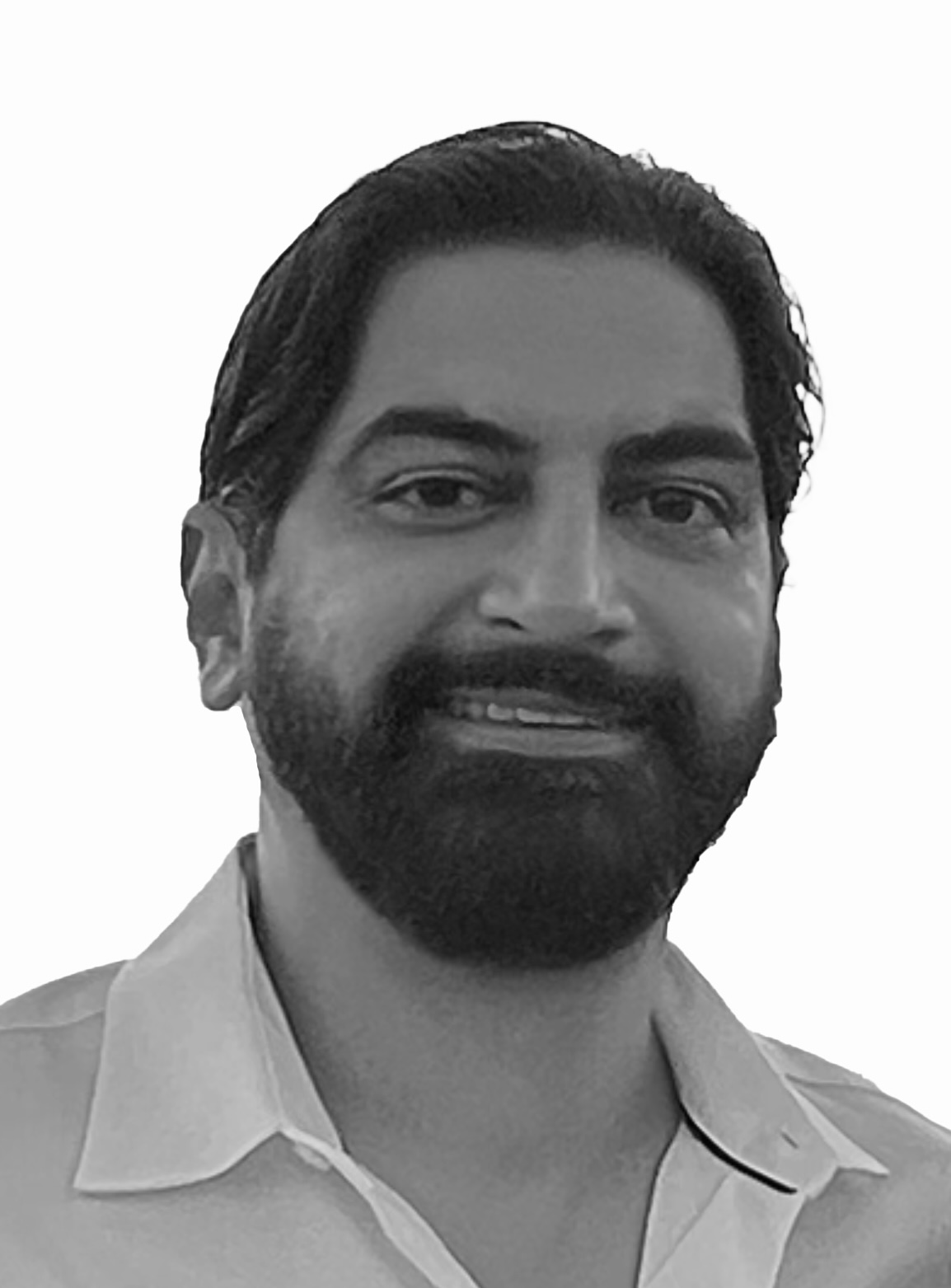
Owner of ROOT Periodontal and Implant Centers and Co-Founder and Managing Partner at Center for Oral Pat
Dr. Amit Patel was born and raised in the suburbs of Detroit, Michigan, and moved to Dallas in 2010. He went to undergrad and dental school at the University of Michigan in Ann Arbor and did his perio residency at Indiana University in Indianapolis. He is the director of the Seattle Study Club of Dallas and a Coach for the DEO (Dentist Entrepreneur Organization).