Special List #13: A CEO’s Proven Blueprint for Dental Partnerships That Last with Dr. Jeffrey Burch


From Army infantry to dental empire, Dr. Jeffrey Burch explains his formula for building a team that actually sticks.
He’s a periodontist, former Army infantry soldier, and the CEO of Burch Dental Partners, overseeing 15 practices and 23 dentists. His “Team Never Sell” model focuses on long-term partnerships instead of flipping practices, with retention rates far above industry averages.
Culture is the engine behind it all. Dr. Burch built his group on four core values—commitment to excellence, humble and hungry to grow, effective communication, and winning attitude—which guide every decision from hiring to leadership development to knowing when to part ways.
He lays out a clear path to partnership, built on careful recruiting, hands-on onboarding, mentorship, and ongoing business and clinical training. Hear how investing early helps associates grow into confident, aligned owners.
Find out how to spot the right partners, create offers doctors actually want, and build a team that’s in it for the long haul.
GUEST
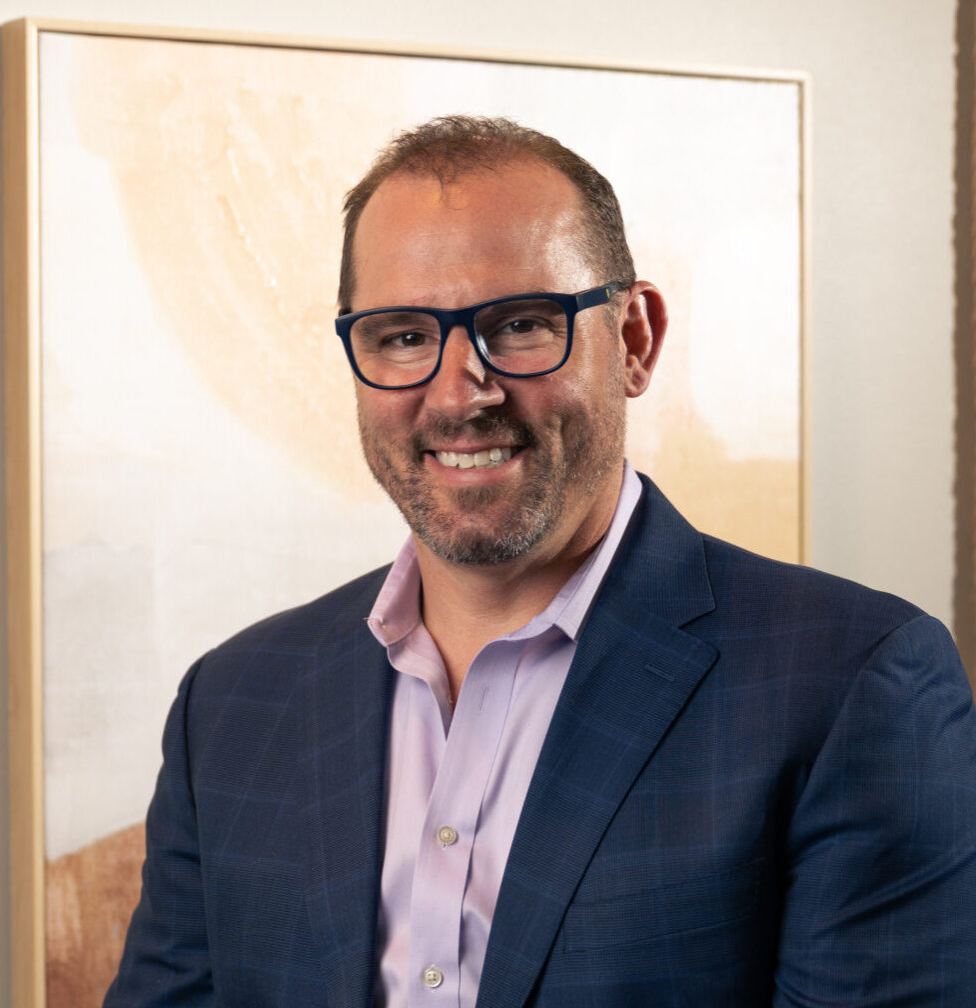
Jeffrey Burch, DMD
CEO, CFO, and CIO of Burch Dental Partners and Managing Partner of Featherstone Periodontics & Implant Dentistry
Jeff is a board certified periodontist with over 20 years of experience in innovative modern dental surgery such as LANAP, Pinhole therapy, advanced bone grafting, and dental implant therapy to replace one or all teeth.
Dr. Burch is a happily married man. His wife is a GP Dentist and they have 2 boys together ages 9 and 16. He is a former infantry soldier in the US Army with service in combat zones overseas. He is an entrepreneur at his core with a special focus on businesses that serve people. His business has a buy and hold strategy and is on “Team Never Sell.”
Learn more about Burch Dental Partners
Connect with Dr. Burch on LinkedIn
Got a question for Dr. Burch? Email him at jeffreyburchdental@gmail.com
The Special Lists, presented by Referral Lab, is the podcast for dentists and dental specialists.
Running a dental practice isn’t easy, and if you’re in private practice, it can sometimes feel like you’re on an island. That’s why finding your people—those who’ve been in your shoes and can share real, lived experience—changes the game.
Referral Lab was built specifically for dental specialists, helping you track, manage, and convert every referral. It’s about improving case acceptance, boosting team performance, and strengthening relationships with referring providers so your whole practice runs smarter.
This spirit of connection fuels The Special Lists podcast. Hosted by the team behind Referral Lab, we bring you wisdom from practice owners and dental professionals, sharing the wins, mistakes, and lessons that shape how they run their businesses today.
Got a question for us? Send us a message at speciallists.com
Transform your referral workflow with Referral Lab, the purpose-built platform for dental specialists to track, manage and convert every referral. Request a demo at referrallab.io
Cameron Full
Co-Founder of Referral Lab
Cameron Full, co-founder of Referral Lab, is a strategic problem-solver with expertise in business management and digital solutions. He combines leadership, creativity, and technology to drive success across various industries.
Connect with Cameron on LinkedIn
Jason Souyias, DDS
Periodontist and Co-Founder of Referral Lab
Dr. Jason Souyias is a periodontist, educator, and co-founder of Referral Lab software. He teaches dentists and hygienists, including as a Pikos Institute faculty member. In his Port Huron private practice, he's known for excellent patient communication and experience. He's passionate about his work and dedicated to helping other dentists.
More about Port Huron, Michigan periodontist Dr. Jason Souyias
Michael Seda, DMD, MS
Periodontist and Co-Developer of Referral Lab
A clinician and entrepreneur, Dr. Seda brings 19 years of private practice experience to his periodontal and implant surgery practice in the San Francisco Bay Area.
Dr. Seda’s interests are rooted in evaluating and influencing private practice management systems in dentistry. He wants to increase practice efficiency, establish a greater sense of collaboration and trust among practice team members, and enhance quality of care and service delivered—all while maximizing and growing profitability.
Through associateship opportunities early in his career, Dr. Seda was exposed to various private practice leadership and business models. He witnessed first-hand inconsistencies in the degree of success and failure owners experienced in private practices. This ignited his passion for learning what empowers practices to thrive and grow successfully while delivering a highly satisfying patient experience.
He is particularly interested in using cutting-edge analytics platforms to measure advanced practice metrics. He leverages these to design data-driven strategies to enhance referral patterns, scheduling systems, case acceptance rates, and other key performance indicators that lead to practice growth and patient satisfaction.
His education spans several disciplines, including a degree in Psychobiology from the University of California, Los Angeles, a Doctorate degree from Harvard University (DMD), and a Master’s degree in Periodontics and Oral Medicine from Columbia University.
More about Bay Area periodontist Dr. Michael Seda
Follow Dr. Seda on Instagram @sedaperio
Co-hosts: Cameron Full, Jason Souyias, DDS & Michael Seda, DDS
Producer: Eva Sheie @ The Axis
Assistant Producers: Mary Ellen Clarkson & Hannah Burkhart
Engineering: Cameron Laird
Theme music: Papa Funk, spring gang
Cover Art: Dan Childs
The Special Lists is a production of The Axis: theaxis.io
Dr. Souyias (00:00):
Thanks for listening to the special lists presented by Referral Lab, the podcast for dentists and dental specialists.
Dr. Seda (00:10):
Alright, and welcome back everyone to our next episode of The Special Lists. I am joined here today by the usual suspects, Cameron Full.
Cameron Full (00:20):
Yes, sir.
Dr. Seda (00:21):
PhD.
(00:22):
Dr. Jason Souyias.
Dr. Souyias (00:25):
Hello.
Dr. Seda (00:26):
And with us today a special guest, Dr. Jeffrey Burch. Dr. Burch is C-E-O-C-F-O and CIO
Cameron Full (00:36):
All C things.
Dr. Seda (00:38):
Yes, there a lot of Cs in there for Burch Dental Partners. He's also the managing partner of Featherstone Paradonics and Implant Dentistry. So Dr. Jeff, welcome to the show. How are you today?
Dr. Burch (00:53):
What's happening, man? What's happening?
Dr. Seda (00:54):
Excited to have you. I know the three of us have known you for years and you bring a very different angle to being a dentist. A lot of what I've conceived as even being possible as a dentist comes from kind of watching you observing the entrepreneurial spirit that you bring to your craft, and we'll dig into that more. But before we get into it, I'll just read a little bit of a bio here just to help orient everyone as to kind of who you are beyond the credentials that we just outlined there. So Dr. Jeff is a happily married man. His wife is a general dentist. They have two boys, ages nine and 16. He's formerly an infantry soldier in the US Army with service in combat zones overseas. He's an entrepreneur at his core with a special focus on businesses that serve people. And his business has a buy and hold strategy on a team that Team Never Sell approach. So Dr. Jeff, maybe
Cameron Full (01:56):
We got to do the air quotes. Team Never sell. There you go.
Dr. Seda (02:00):
So Jeff, do me, do us a favor, just kind of outline for everyone what you mean by that and just give us a couple extra details that would, we otherwise wouldn't know from that bio who you are, what you're about.
Dr. Burch (02:13):
Well, I manage 15 dental practices with a network of 23 dentists. So it has a mix between periodics offices and general offices along with pediatrics and team never sell. What that means is that I never plan on selling my shares of the practice. And what I do is I partner doctors into my organization and they're only allowed to partner if they have a growth strategy that follows my vision of the group practice that we built. So it has a core of the intention is to partner doctors and about 18 years I've been doing this and out of the 30 doctors I've hired, we still have 23 of 'em.
Dr. Souyias (03:07):
Wow, nice.
Dr. Burch (03:08):
It's a buy and hold strategy and basically I won't sell my practice, I'll partner somebody in that will help take it to the next level. So I thought we'd touch on that today.
Dr. Souyias (03:23):
Let's cover that. So think about that guys. The typical numbers that are talked about in our industry is that associateships lead to partnership one out of three times. So that would be, if he hired 30 doctors, he should have only had 10 partners and he's at 20 27.
Dr. Burch (03:40):
I'd say you have 10 associates.
Dr. Souyias (03:42):
23 you said? I'm sorry, 23, right?
Dr. Burch (03:44):
23 out Of 30. Yeah.
Dr. Souyias (03:46):
That's incredible, right? We've got to talk about some of the, and I know we're going to get into that tonight, but that's an incredible track record, Jeff.
Dr. Burch (03:54):
Well, I mean the thing that I think kills DSOs is the doctor retention. And I have a legitimate professionally prepared DSO that has all the regulations that are required for that along with accounting requirements. And the whole idea behind thing was to let doctors and clinicians, I actually have three hygienists that are partners as well.
Cameron Full (04:24):
I didn't know that.
Dr. Burch (04:25):
Just Melissa, my three top people that are hygienists that are high level people that manage a large portion of my company, I just partnered because that's the purpose of a DSO. It's to allow people that are non-dentists to be able to own a company. And I'm a firm believer in you don't wash a rental car, so
Cameron Full (04:55):
Souyias has though. You totally washed your rental.
Dr. Souyias (04:59):
I totally have, man.
Dr. Burch (05:01):
Oh my god,
Dr. Souyias (05:02):
I'm guilty.
Dr. Burch (05:03):
Well, so most people don't.
Dr. Souyias (05:04):
I can't drive a dirty car.
Dr. Burch (05:05):
Every once in a while you get lucky. Sometimes you get lucky and you get that one out of one that you wanted to hire even two out of two. And it's amazing. And there's some ways to increase the odds in your favor that I think I can give some insight on that. But basically the main thing is to hire people that have your same core values is really what it comes down to.
Dr. Seda (05:29):
Sure, yeah, love that. So knowing Jeff for, I think we're going on at least 15 years now, one of the things that I hear you extrapolate on every chance you get, and that is culture. I think part of what you're describing in terms of team retention, partner retention, et cetera, is you're going for a different type of culture than you typically find in atypical dental service organization. And your list that you're looking to discuss today, given this is a special list.
Dr. Burch (06:04):
It is a special list. It
Dr. Seda (06:06):
Really does reflect.
Dr. Burch (06:07):
Have some things on the list.
Dr. Seda (06:09):
So why don't we kind of start digging into the list. I think that'll give us some structure here because really a lot of the values and structure you have is unique and I think valuable for our listeners to kind of understand and learn about.
Dr. Burch (06:28):
Well, I think the most difficult challenge, well, let me maybe unpack this. So when you create and manage your own practice and within your own walls, over time you can create a culture that will meet your needs for what your goals are for that practice. My goal was to build that and then propagate that and try to create practices that have the same core values and be able to scale that. So everything starts with the core values and basically we hire fire, recognize, reward based on those core values and they also have to have to get it, want it and have the capacity to do it. The way that a lot that I've come to what the core values are, I think in my company or my practice, we've done it probably five different times. The first time I did it, I had an idea of what our core values were and I just kind of read a book and I knew that that was something we should have. So I basically had a meeting and I said, we're going to create our core values and I steered them into the core values that I wanted. So that didn't work. That didn't work at all.
(08:02):
So the next phase was to do it again about four or five years later. And we had the group help with it and there was a lot of, it was more involved with the team, but the core values we had like eight of 'em, you couldn't remember any of 'em. There are core values like honesty, integrity, and that's called pay to play, which means you should have integrity no matter that's not a requirement or that's not something you can have actionable items are, you just should be that. But something like a winning attitude, you can point to somebody who isn't trying or effective communication, if they're blowing up in front of team members, that's not effectively communicating.
Dr. Souyias (08:55):
Love that.
Dr. Burch (08:57):
Things like humble or hungry, like humble, that you're not better than the rest of the team, that you understand that there's a team approach to things and you're only as strong as your weakest link, which is basically a lot of military type doctrine. And I get a lot of my leadership through what I've learned in the military. And honestly, soldiers aren't robots. Soldiers are willing to die for their cause and in this case it's the United States interest. And in order to go to battle, every soldier needs to know why, because you're going to die if you don't. So you're not going to follow orders that are unlawful or just fucking crazy. So the best leaders are the ones that I learned when I was an enlisted soldier at 17, 18 years old, that was the proper way to do things. And the sooner that people understood what it takes to be part of the practice, that's where step number one to having a successful partnership is knowing thyself and knowing what you want. What do you want out of the practice? And you can have one practice that solely works on your financial freedom and things like that, but if you try to build something that's bigger or never has been done, you have to build some, the idea is that you have to build it and you have to have a mission beyond yourself.
(10:37):
So if you love what you do, if you love people, if you love dentistry and you love teaching, associates are awesome. Associates can be partnerships. And if you love mentoring somebody and you love getting to know somebody and be somebody important in their life, then associateship the partnership is really, really great. And so along the way I've, I've created a lot of steps to get there and today we're not going to go into all the details, but one of the things is writing things down. So in anything, you got to write it down and then eventually it becomes more of a fine tuning. You can't really fine tune something until you have consistency.
Cameron Full (11:25):
Well, and you got to start somewhere. And I think that what's cool about your approach, Jeff, is this consistent refining of your core values is just this consistent refining of your expectations at the same time and your team's expectations of you and what you guys can mutually expect of partnership and other practice. And that's how you can in turn also have these really effective pathways to partnership too is the same pathway.
Dr. Burch (11:55):
Well, defining what you stand for and who you're looking for and how you match up with those core values are essential. What's cool about the core values, if you pull it off, it's the most difficult thing I've ever done in my practice is that we have 250 employees and they know what the core value, well, we just merged one, so we've got about 180 that know the core values if called upon. They're really simple. There's only four of 'em that spells, chew.
Cameron Full (12:26):
Chew.
Dr. Burch (12:28):
So it's really important that you define what the practice is because you can't scale chaos or you shouldn't. So why are you wanting an associate in the first place? Is the question that I would ask anybody who's looking for one? What are you trying to accomplish here? What are you looking for money? Are you just nervous that you're booking out far? Do you have a desire to, well, we just talked about as far as mentoring somebody, and that's the first step that I would take, like Souyias, what was your main reason why you were looking for an associate?
Dr. Souyias (13:09):
I bought a second practice and merged just the two of our practices together. And the senior doctor from that second practice wanted to retire within three months of the merger.
Dr. Burch (13:20):
And you could take that a step further, why did you want to buy that other office?
Dr. Souyias (13:24):
Right, to continue the growth trajectory that we're on?
Dr. Burch (13:29):
Exactly.
Dr. Souyias (13:29):
To continue to grow the practice.
Dr. Burch (13:31):
Has it gotten easier or more, I mean you have a great partner. I was just with her. We were just together.
Dr. Souyias (13:38):
Yep. She's awesome.
Dr. Burch (13:39):
But the more people complex it gets, am I correct?
Dr. Souyias (13:44):
Correct.
Dr. Burch (13:45):
So when you're looking for an associate, we're learning as we go. When you come from a place of service and family or security, security is a big deal for me and desire to win, then these things work out. So I recruit a lot. I recruit every chance I get to speak to a young person. I do. And anytime I can get a chance to bring somebody to my office to observe, I do.
Dr. Souyias (14:17):
One of the things I think that's fabulous about your whole practice is I feel a lot of times when we talk about the culture of a practice or things like that where most of us are talking about how the team perceives the practice, what you've done incredibly well is built a whole culture around doctors and you have a culture and managers. So not ignoring the team side, but I think what's really, really unique about what you've done is build this entire culture. There's a culture of the doctors within in your organization. Can you talk about that a little bit? That's really one of the fabulous things.
Dr. Burch (15:02):
Sure. So I went to Southern Illinois at Edwardsville Dental School and Rick Workman went there when he's about 15 years before I did. And he recruited and hired 30 out of the 50, 2 classes ahead of me,
(15:22):
And then he hired another 30 and another 30. And I saw how it became a fraternal kind of group, even though it fragmented and all kinds of other things happened. But I always thought it'd be kind of cool if you had a bunch of doctors that were somewhat the same age and you had a way of getting them all together. So I have a method of onboarding and then eventually there's continuing education. There's things that we do internally. There's about eight classes that we produce ourselves, but there's also use of CE from outside after year one and two. So
Dr. Seda (16:05):
Education I think is one of the huge components there, right, is
Dr. Burch (16:08):
Yeah, well, having to work with an area that I'm not an expert in, I have to rely on some of those courses versus if I only worked with periodontists, but still we have nine periodontists in the group. So if we're just looking from a specialty standpoint, my own specialty is my most comfortable place, but managing other types of practice like pediatrics is not the same thing and general dentistry is not the same thing. My goal was, we're probably going off topic here, but my goal was to create a unique hygiene department that would go from birth to end of life and be able to intervene at any time. So my whole vision and core values were built into each one of those, and one of my missions was to provide more care to the community. I thought if I could control the whole prevention, the entire lifespan of somebody, I thought that would be one of the most amazing life achievements that someone could have in dentistry.
Dr. Souyias (17:16):
Why are you saying that past tense?
Dr. Burch (17:19):
What's that?
Dr. Souyias (17:19):
You're saying that past tense?
Dr. Burch (17:21):
Well, I mean the team never sell never sells. So that means I only have one thing that I put in their contracts or currently that if they're part of my practice that I have first write a refusal. So I'm able to someday when the practice ends, I could buy it all back. So that's part of the deal, but I recruit, but it would be about 30 years from now when that happens. So it's like a 40 year plan
Dr. Souyias (18:00):
That's not good for those of us in our fifties, brother.
Dr. Burch (18:02):
Right, right. Well, no, it just means I'm going to No, it means you means that get to be bought out someday, so I
Cameron Full (18:09):
Burch and I were talking about this exoskeleton and all this other stuff. He's going to be old, cranky Burch is going to be walking around with this walker buying all his shares back, walk me place
Dr. Souyias (18:22):
Bionic Burch.
Cameron Full (18:22):
Bionic Burch.
Dr. Burch (18:26):
So just coming back to the recruitment, the best way to recruit somebody is if you know them or if you know somebody who knows them. So I do use Indeed and things like that, and I've visited schools before, but the best results I've ever had is asking all my friends and colleagues to help me find somebody. So I do some recruiting, I make sure I have a phone interviewing process. I'm usually to start and then I reference check from there and I make them do a couple site interviews too before I make them an offer. So that's pretty much the first steps in hiring. And once they've agreed to hiring, then they move on to step two, which would be what do you do once they're hired?
Cameron Full (19:27):
If I remember right. I think Burch, you and I and Melissa were at Featherstone, this is a couple years ago, and we were talking in detail about how deliberately you onboard and mentor your periodontal associates into partnership. And it was so purposeful, and I obviously respect you greatly from our engagements before, but that was one of those times I was like, man, this guy is so intentional about a lot of his process. And I really think highly of that level of thought. Same thing you talk about with the core values and stuff. You do this stuff at a very high level, which ultimately ends up costing you more time upfront and saving you more time in the back.
Dr. Burch (20:12):
That's the calculations that I have as far as my time quotient. And I'm trying to build a network that has the same SOPs, so your standard operating procedures. So it's different than a DPO, like a dental partnership organization. I stand by my hygiene department. I stand by the clinical standards that we have documented that we teach through. So I believe that a local group will ultimately win the consolidation of dentistry, and the winners are going to be the specialists that are part of those groups along with the general dentist because the current model excludes a lot of specialists in things. They're getting better and better. But your big groups or the majority of the early deviance were general dentists that were willing to stick their reputation out there on the line. So once we hire them, the next step, whenever I work with somebody, I do work a little bit with doctors on this type of subject, and what I usually recommend is that you look at your hiring as a major business investment. So you would never buy a big stake in a stock or company or you wouldn't buy a bunch of real estate and expect it to make you money back instantly. So I always fall back on most people that own a dental office, it's by far their greatest investment they ever made in their entire life. I may even said that to you, Souyias, in the past. It's the greatest investment you can ever make, so why not double down on that? There's a lot of pitfalls that come along with that. You have to stretch your leadership skills, but really define what that return on investment should be. Time, money. One of the things I really focused on was quality. I didn't like the pediatrics that we were referring to because they were doing a lot of things I didn't agree with. By hiring other people that were more talented than me in certain areas, improved the quality of what we're doing.
(22:35):
I was a little bit more of a maverick when I was practicing full time and compliance is a little bigger of a deal to me now and safety and I'll spend more money on safety than anything. So quality, there's a community outreach that I always love the idea of that. So that's been a motivator for me to want to make that investment in general. If people understand that the first year that they bring on a doctor, they're not going to make any money if they do bravo. But really the money comes in year two, mostly in three and above. Building the relationship and spending the time is really for year three and four, the timeframe that should be built out. A lot of people don't really understand what that is. And if you really look at how many years that is, it's a massive commitment. And if it doesn't go well, you just wasted a shit ton of your life. And if your goal is time and quality, you just shot yourself in the foot because that associate is not as good as you. You have to invest into them. Part of the investment is losing your reputation a little bit, and it hurts whenever you bring somebody on because in some cases if you build large, there's jealousy and people on the specialty side won't refer to you as much.
Dr. Seda (24:02):
So Jeff, if I may, on the note of successful partnership, right? It sounds like you've got a recipe and I think you would distilled it down to five things that you really kind of look at on the way to successful partnership. Why don't we take it one step at a time just to bring some structure to the conversation and start with defined core values. I think we kind touched on that already.
Dr. Burch (24:29):
So that's number one would be to make sure you have core values that are defined
Dr. Seda (24:34):
Hire based on those core values, I'm assuming, right? And then we get to the third part, which is
Dr. Burch (24:43):
That's more like the onboarding and then opportunity for growth. So the onboarding is really important because in order to get the doctor more comfortable, there has to be a method of that. So whether it's learning the software or something like that, there's an orientation. So defined orientation is really important to have on how that person's going to train on basics in the office. There should be some type of HR component to that, how they get paid, things like that. Those are easy things to have prepared before you do this. And if you do it more than once, you should have these type of things done. Observation time with the dentist and then a doctor. Mentorship program is typically what we do.
Dr. Seda (25:30):
And I've heard you talk on this before. That's all in hopes of trying to help get alignment and calibration on diagnosis, treatment planning, so that we start to focus in and have some alignment on how we approach patients given there is different providers under one roof, ideally there's some structure as to how we all align on those things. So not only is it important to learn the software, but it sounds like you've got a mentorship kind of situation where doctors will watch the other doctors discuss cases, how we, and not just that also how they approach team members, et cetera. Can you touch on that?
Dr. Burch (26:14):
Yeah, I can touch on that. So I assign a mentor doctor, so sometimes a mentor doctor is me. So I'll give you an example of when I recently was a mentor doctor, the clinical mentor after orientation. Well, first off, they spend a day with me with doing CEO type stuff. So whenever we have meetings and things like that, they would spend some time with me. But in a clinical situation, the first 30 days, I make a contact every single day with the doctor. So text at minimum and a call at least twice a week, minimum a lunch sometimes every week.
Dr. Seda (26:58):
So touches multiple touches,
Dr. Burch (27:00):
At least one touches a day,
Dr. Seda (27:01):
Opportunities for that new person to reflect, vocalize, communicate, what's working, what's not, et cetera. Correct.
Cameron Full (27:10):
Similar to the engagement that Souyias has had with Krupa to get her warmed up too. And Jeff, that's what I was talking about when we were together.
Dr. Burch (27:20):
Souyias going to have a lot of similar things, I'm sure
Dr. Souyias (27:23):
I learned from some good mentors
Cameron Full (27:25):
Yes and no, I mean there's a difference between doing it. He did it and doing it with 2330 doctors. Jeff. Obviously, I'm sure the system's become more refined, but when you talk about the ability to keep doctors at that scale and happy at that scale, there's got to be some method to this engagement that you have early that's really causing that stickiness.
Dr. Burch (27:45):
They're not staying always because of the money, but what ends up happening is we have a pretty money system and they all make a lot by following systems of people that have a good idea of how to efficiently produce and do it in an ethical way.
Cameron Full (28:07):
Money's fine. But there's one thing I've learned about you, a year and a half, two, actually probably two years ago we did that engagement together in Cincinnati. You led that mastermind section together as a group. That's really where Jeff, that's really where I got to really know you as a person. And then we all, but by the way, for everybody on the call, we have this, Jeff and I have this joke, this chips joke. So whenever I'm eating chips and Jeff and I figured out that we both like the end of the bag of chips, and so whenever he or I finishes a bag of chips, we always send a picture holding the bag of chips. We crumbled it up. So it'll be like a random,
Dr. Burch (28:54):
It's a such feeling. It's such a good feeling.
Cameron Full (28:55):
Oh yeah, it's delicious.
Dr. Burch (28:56):
That little bit that's left of the Dorito bag.
Cameron Full (28:59):
It's delicious. So it'll be like a random Sunday afternoon and I'll get this picture from Jeff of him holding this bag of chip something.
Dr. Burch (29:05):
It's simple pleasures, man. So I mean, what I do with the associates, I do something called the descriptive vision, and I have them, I think it's in the third person, describe what their life would be like dingo if in three years or five years if they hit all their goals. And then I ask them next, what kind of person does it take? What kind of leader does it take to accomplish that? And let's reverse engineer this thing and let's make this happen. So I try to find
Dr. Souyias (29:37):
So you have leadership. I try to find out leadership built in to each partnership. I love that. Training them in leadership.
Dr. Seda (29:44):
And that's in stark contrast to a lot of doctors that we've all really shared time with that will bring people in and start on your own with hopes that they're going to take the bottom line and move the needle, but really just kind of throw them to the wolves and don't give them any support on clinical decision making diagnosis, how to interact with the team that's already been there for years before they arrived, interacting with referring partners and going out there and establishing relationships and reinforcing those relationships. It's really kind of like a get out there and do it, but without that investment, it's really just rolling the dice.
Dr. Burch (30:28):
It is.
Dr. Seda (30:28):
And I know that Jeff, you're not really a gambling man,
Dr. Burch (30:35):
But no, to some degree there is. What's funny about Dennis,
Cameron Full (30:40):
It's an inside joke there. We didn't get that. What's the inside joke?
Dr. Burch (30:42):
Well, come on I've played a little poker. In my lifetime,
Dr. Seda (30:47):
Those of you that know Jeff know that time and place has its circumstance. So I know he loves to play poker and he also has spent a good part of his life in the crypto space, which
Cameron Full (31:01):
Oh, careful. There we go.
Dr. Burch (31:04):
We don't have to go into that.
Dr. Seda (31:05):
That's for our next episode.
Dr. Burch (31:05):
Just saying.
Dr. Seda (31:08):
But I think there's a time and place for gambling and in a practice where people's health is on the line, people's livelihoods are on the line. You want to try to minimize that as much as possible.
Dr. Burch (31:21):
Yeah. And if anybody meets the doctors that I work with, you would bet on them any day of the week. And I would always bet on myself any day of the week, and my wife's a dentist too. I would bet on her any day of the week. I would bet on any of you guys any day of the week, it'd be the simplest investment ever. And believe it or not, there's not a whole lot of people that quite understand that. They don't quite underst understand that the people in dentistry are the most valuable things to manage a surgeon and to be, it's incredible. It's an incredible honor and thing to do. Or if you're an end onus or whoever is listening to this podcast, it's an amazing thing to lead other leaders. So I take it super serious and I get a lot out of it. Well, to get back to on topic, but at 30 days we do an assessment. In my case, I have another doctor, Dr. Hall, who took over some of that portion for me. So you can share these things, these responsibilities.
(32:29):
So they would go over cases together and their most difficult one that they had and others that they want to celebrate their wins on. There's chart auditing that happens to make sure notes are done. There's all different kinds of things, reports that we can run on open dental that we look at. But then pretty much it's a check-in at 30 to 60 and then another one at 61 and 90. And we do sedation in my office. So I would do split surgery with my associate doctor and I gave him credit for the whole surgery. So honestly, I don't care about necessarily making money and I've been able to do that, have that luxury because all the investments I've made over the years and they mostly panned out. So each time I do this, I'm willing to spend more time and more time.
Cameron Full (33:25):
Absolutely.
Dr. Souyias (33:26):
There you go.
Dr. Burch (33:27):
And it's becoming something that's like, I'm also teaching the thing I teach the doctors once I let 'em let the birds out of the nest and leave them for years sometimes because they know what they're doing, they're all coming full circle. People have to become a little bit more financially free before they can give up a day to help me along with things. But I have mentorship, I mentor a lot of doctors to do what I do and I try to get them to do that.
Dr. Seda (33:58):
So what you're doing is you're painting a picture of mentorship, guidance structure to hopefully lead down a path of success clinically, socially within the fabric of the organization. So that's what you hope will lead to success. Now I'm going to assume that we don't always have success.
Dr. Burch (34:21):
No.
Dr. Seda (34:21):
And so that leads us to the next step in your five step successful partnership plan.
Dr. Burch (34:28):
Okay, good.
Dr. Seda (34:29):
So maybe we can segue into that.
Dr. Souyias (34:32):
Good transition Seda.
Cameron Full (34:35):
Seda.
Dr. Seda (34:35):
That's why they pay me the big bucks.
Dr. Burch (34:38):
So after the 90 days, I have an education program. So what I would recommend anybody doing is that they have a program for two or three years for what they want their associate to accomplish. Okay. If it's a general dental thing office, it would be some type of clinical excellence. If it was a specialty office, it might be a number of new patients or something like that. So just refining what that is. I give a little bit of financial stewardship. So I help people with their finances on simple things like paying off loans and junk like that. And then I give 'em business mentorships after year three. So once they go into year three, they go to business courses with me and they start learning more about group dentistry and the impact of that. And usually it helps bring them in closer to the vision before they partner because then they're educated on what they're getting into. Nice.
Cameron Full (35:39):
Awesome.
Dr. Seda (35:41):
Cool.
Cameron Full (35:42):
Cool.
Dr. Seda (35:42):
So that's when there's success, right? Yeah. I think you get through three years, you're pretty much trending towards success.
Dr. Burch (35:49):
So in order to,
Dr. Seda (35:50):
But there's times where we don't get that far. And I know you have some opinions on how that's managed.
Dr. Burch (35:58):
So you got to show that there's an opportunity for growth. So I think we recently had a meeting and somebody talked a mastermind meeting and somebody talked about having enough patience for the doctor that you have to have. Jay said, I think you said it.
Dr. Souyias (36:14):
That was me. Yeah,
Dr. Burch (36:15):
You have to have Go ahead, why don't you talk about that.
Dr. Souyias (36:20):
I think I hate the idea of Associateships where they're like, oh, I'm not going to share any patients with you. I just expect you to build a practice within my own practice. Well, if it was that easy, how come you don't already have all those referrals? I think you have to have a certain level of busyness that can provide a base income for that associate doctor to live off of and then want to build relationships and grow and teach from there so that they have a base to start with, but can build it from there. We have a friend that's in some of the groups with us that I just don't agree with the way he does. He just is like, I'm not sharing things. And I disagree with that.
Cameron Full (37:07):
Souyias, I was actually doing some strategic planning with some guys last week, and we were looking at the saturation of the demographic of that specialty practice. And roughly 90 some odd percent, 95, some odd percent of the known doctors in that local community were already referring to that practice. And so I imagine how difficult it might be if you were trying to recruit an associate because the practice needed one and you had the expectation to go get referrals from new referral sources that, I mean, it would be impossible.
Dr. Souyias (37:45):
5% you don't have.
Cameron Full (37:45):
It'd be impossible. Forget about it. And the reality is that happens a lot in practice. It happens a ton. And it's not setting up these associates necessarily for success.
Dr. Burch (37:56):
Correct. You have to produce an attractive offer in order to attract a quality associate. So I want to attract the highest 25%, so I'm going to make an offer. And the offer can be lots of things. It could be bonuses for sign on, it could be healthcare options, it can be investment options as far as 401k, things like that.
Dr. Seda (38:20):
Education.
Dr. Burch (38:22):
Education. How about a super nice office, a well appointed office that's modern with modern equipment. So opportunity for growth too. Maybe think about cast your net differently. If you have a practice that doesn't have a whole lot of new patients, well maybe instead of cutting up the pie, buy another pie and build another pie.
Dr. Souyias (38:49):
I love that.
Dr. Burch (38:49):
There'll be more pie. So
Dr. Souyias (38:54):
I buy new pie plate, right?
Dr. Burch (38:55):
Exactly. Yeah. So you got to have opportunity for growth. And then opportunity four would be opportunity for wealth and freedom. So we don't all do this for free and after a certain point we've reached a certain mastery level that we can do this stuff. I mean, it's very difficult work, but with relative ease. So an opportunity for wealth would be continued mentorship on doctor collections. So I never peaked out in production pretty much ever. So helping somebody move faster through that doctor portion, another opportunity would be increasing their clinical toolbox. So teaching them something new that they didn't know or helping them learn from a CE type course, partnership distributions. Those things should go up over time
(39:55):
As far as distribution amounts. And then your ownership, enterprise value, which has been my number one thing I've looked at my whole career, your enterprise value should increase based on your profits. So there should be an opportunity, if you could define each one of those things. Ways to increase doctor collections, ways to increase the clinical toolbox, ways to have more partnership distribution and proven distributions. And then a pathway to ownership that shows that this thing goes up in value every year. It's not that hard to figure out what the profits are every year and convert it to a simple five to six times EBITDA formula for valuation. If there's no ebitda, then you're shit out of luck. You have a practice that is probably just going to close or
Dr. Seda (40:43):
All steps toward success, right?
Dr. Burch (40:45):
Yeah. You wouldn't be really looking for an associated, except in this case, except an associate to buy you out so you can leave.
Dr. Seda (40:52):
But there's times where, and the reason why I'm trending towards this concept is, one, you've already touched on it, but I know that you have a special approach to recognizing when there's something that's not working out.
Dr. Burch (41:05):
If you're inappropriate with the team members. That's one. That's one. So there's a lot of male and females that work in these offices. So the more you get, the more likely that can happen. So fraternization is something that I frown upon in the office. So since I was in the army, I was a colonel's driver for a little while and enlisted people sometimes get that amazing opportunity. That wasn't amazing sometimes. So I was a colonel's driver and they're not allowed to interact with subordinates because it blurs the line. The person that is in workwise, subordinate to you is at a disadvantage. And matter of fact, it's taking advantage of that person when that leader does that. And it's shameful when those lines of communication are too personal. So that's what happens and breaks up a lot of practices. I mean, if you know any dentists anywhere, if you're a specialist, that happens everywhere and there and that's what breaks up a lot of practices and there's just zero tolerance for things like that.
Dr. Seda (42:32):
It's also too, I think just because they're not aligning with your core values as a practice doesn't necessarily mean that they're a bad person, but there needs to be an exit.
Dr. Burch (42:41):
No,
Cameron Full (42:41):
No, it doesn't.
Dr. Seda (42:42):
And that's where we're getting going with this
Dr. Burch (42:44):
Yeah. Yeah. So you go back to the core values. It's almost, so each one of the core values that I have, so there's four of 'em, you get a plus for each one. So you can get up to four pluses. You get a plus minus, you're in between. So if you don't really do much continued education, your commitment to excellence is low or plus or plus minus. If your communication is bad, it's a minus. If you're humble or if you're not humble or hungry, it's a minus. If you're not winning or if you have a winning attitude, it's a plus. So if you have one and a half plus minuses, you're done in the company.
Dr. Seda (43:26):
Right. So basically you have an evaluation scheme that allows you to kind of evaluate one's trajectory and success through the practice. And when it's recognized that someone's not meeting a certain critical threshold level of excellence or performance, what is your strategy for recognizing it and acting on it? Because, and then the point being is if it's not going to be successful, we don't want to waste anyone's time. We don't want the associates' time wasted. We don't want the practices time wasted. Right?
Dr. Burch (44:00):
Totally. So I could tell you what has happened to me in the past that was awful, and then how I'm remedying it. So I used to have practices that had one doctor in it, and if something happened to the practice, it would be very difficult for the practice. If you fire a doctor and you don't have a doctor, you can lose the practice. So it would put anyone in a moral dilemma. If let's say the dentist was doing a horrible job clinically, it puts you in a, because it's like, oh my god, there's people that work here plus all these patients, and if you acquire the company, it's like, oh my God, I paid this for it. Oh, what am I going to do? So you get this buyer bias, I forget what it's called, but it's when you don't want to quit because you already put in a ton of money and time. So I
Cameron Full (44:54):
Sunk cost fallacy.
Dr. Burch (44:56):
Exactly. That's what it's sunk cost fallacy. Yeah.
Dr. Souyias (45:00):
Expensive degree shout out.
Dr. Burch (45:02):
One of the greatest things you can do as a C
Dr. Seda (45:05):
10 years in school for Cameron, At least you paid attention one day.
Dr. Souyias (45:11):
One day.
Dr. Burch (45:13):
That's a really important thing because keeping the company, one of your jobs as a ceo is not lose money for sure.
Cameron Full (45:24):
That's your only job.
Dr. Burch (45:24):
Con't do dumb stuff. Don't do dumb stuff is like another thing. So I had a doc who was in a rural practice we had bought together, but was really a bad guy and was doing very unethical dentistry and submitting things that weren't done, taking photographs of a buildup and then cutting it off and sending the pictures to the insurance company and then putting a crown in it. You'd never know. Doing class fives on an 80-year-old woman who has some low caries and no reason to do those, and then they fall out on top of it. Just things like that. So I actually shut down the practice and closed it. So
Dr. Seda (46:20):
Recognizing when the values aren't aligning and not just a little bit continuing beyond where it makes sense, but sometimes cutting losses and then refocusing resources to where they may be more successful.
Dr. Burch (46:35):
Right? So I did a chart sale to another dentist and he ended up being one of our big referrals after that. The transition went really, really good. It was awesome.
Cameron Full (46:52):
You devil you,
Dr. Burch (46:56):
My challenge to the team was to make the greatest losing transition of all time.
Cameron Full (47:02):
You sold 'em the charts and then got the referrals from the charts,
Dr. Burch (47:05):
Right?
Cameron Full (47:06):
I love it.
Dr. Burch (47:07):
But to sum it all together, the last one would be defining your contractual exits. So having a way to get out and everybody understanding it. So that means a real evaluation, and the exact terms would be the number of years you're paying somebody out or getting paid out. The interest rate, whether they have to do a bank financing to get you out. Another one would be how you value it and how you value it every year. And then the final would be really your really the proceeds, how much money you're leaving
Cameron Full (47:46):
Or Burch and be part of BDP.
Dr. Burch (47:49):
Yeah. So if you ever need some help, and one of the ways I've been successful over the years is I've networked with a lot of people, so I'm happy to help out anybody, anybody who needs a little bit of help in this series.
Cameron Full (48:06):
He means that guys, Jeff is very forward thinking and pays it forward with his knowledge and has always been so giving with it. And so for anybody out there that's interested in this type of engagement, do not hesitate to reach out to Jeff.
Dr. Souyias (48:20):
Great episode. Jeff. Thank you for your time tonight.
Dr. Seda (48:22):
Cheers.
Cameron Full (48:23):
Awesome.
Dr. Burch (48:23):
Thank you guys
Dr. Seda (48:24):
Keep going. I think you've given us a huge insight into what it takes to kind of be more than just a one doctor practice. Obviously you've got lofty goals, you're systematic in the way you approach it. You bring a lot of heart to what you do. Thanks for joining us today.
Cameron Full (48:40):
Thanks Jefff.
Dr. Seda (48:40):
And thank you everyone for joining us on this episode of The Special Lists. I know I speak on behalf of all of us when we say it's a new year. Let's hit it Stride. Happy New Year everyone. Health joy, peace.
Dr. Burch (48:55):
Peace out.
Dr. Seda (48:56):
And let's get after it.
Dr. Souyias (49:00):
Thanks for listening to The Special Lists presented by Referral Lab, the podcast for dentists and dental specialists featuring a special list from a specialist. Got a question for us? Send us a message at speciallists.com with two Ls. Transform your referral workflow with Referral Lab, the purpose-built platform for dental specialists to track, manage, and convert every referral. Request a demo at referrallab.io.
CEO, CFO, and CIO of Burch Dental Partners and Managing Partner of Featherstone Periodontics & Implant Dentistry
Jeff is a board certified periodontist with over 20 years of experience in innovative modern dental surgery such as LANAP, Pinhole therapy, advanced bone grafting, and dental implant therapy to replace one or all teeth.
Dr. Burch is a happily married man. His wife is a GP Dentist and they have 2 boys together ages 9 and 16. He is a former infantry soldier in the US Army with service in combat zones overseas. He is an entrepreneur at his core with a special focus on businesses that serve people. His business has a buy and hold strategy and is on “Team Never Sell.”